How Do I Compare Prices and Quality Among Australian Stone Suppliers?
When comparing natural stone suppliers, it's tempting to focus on one thing: price.
After all, if two products appear similar, choosing the lower-priced option can seem like the obvious decision.
However, natural stone is not a commodity product, and comparing suppliers based on price alone can often lead to unexpected costs, compromises in quality or materials that are simply not suitable for the intended application.
Whether you're building a new home, renovating a backyard, selecting pool surrounds or specifying materials for a larger project, understanding what sits behind a quote can help you make a more informed decision.
Start by Comparing Like for Like
One of the most common mistakes when comparing quotes is assuming that all stone products are the same.
Even when materials share a similar appearance or are described using the same generic stone type, there can be significant differences in:
- Thickness
- Finish
- Slip resistance
- Country of origin
- Grade and quality
- Colour consistency
- Size and calibration
- Edge treatments
Before comparing prices, make sure you are comparing products with the same specifications and intended use.
A lower price may simply reflect a different product altogether.
Real World Example
A client may compare two limestones that appear similar in colour and overall aesthetic. One material may be 15mm thick with a tumbled finish, while another may be 20mm thick with an alfresco finish and distressed edges.
Although the materials may look comparable at first glance, the second product has undergone additional processing and finishing. These differences can influence manufacturing costs, performance and suitability for specific applications, making a direct price comparison difficult.
Understand What Influences Quality
Natural stone is a product of nature, which means quality can vary significantly from one supplier to another.
Factors that influence quality include:
- Block selection
- Processing standards
- Material density
- Surface finish
- Consistency between batches
- Manufacturing tolerances
Higher-quality materials often undergo more rigorous selection and processing to achieve greater consistency in colour, texture and finish.
While this may result in a higher initial cost, it can contribute to a more refined and predictable outcome once installed.
Understand Where the Stone Comes From
Not all stone suppliers source their materials in the same way.
Some suppliers work directly with quarries and manufacturers, while others purchase through local distributors or importers.
Neither approach is inherently right or wrong, but it can influence the level of control a supplier has over the final product.
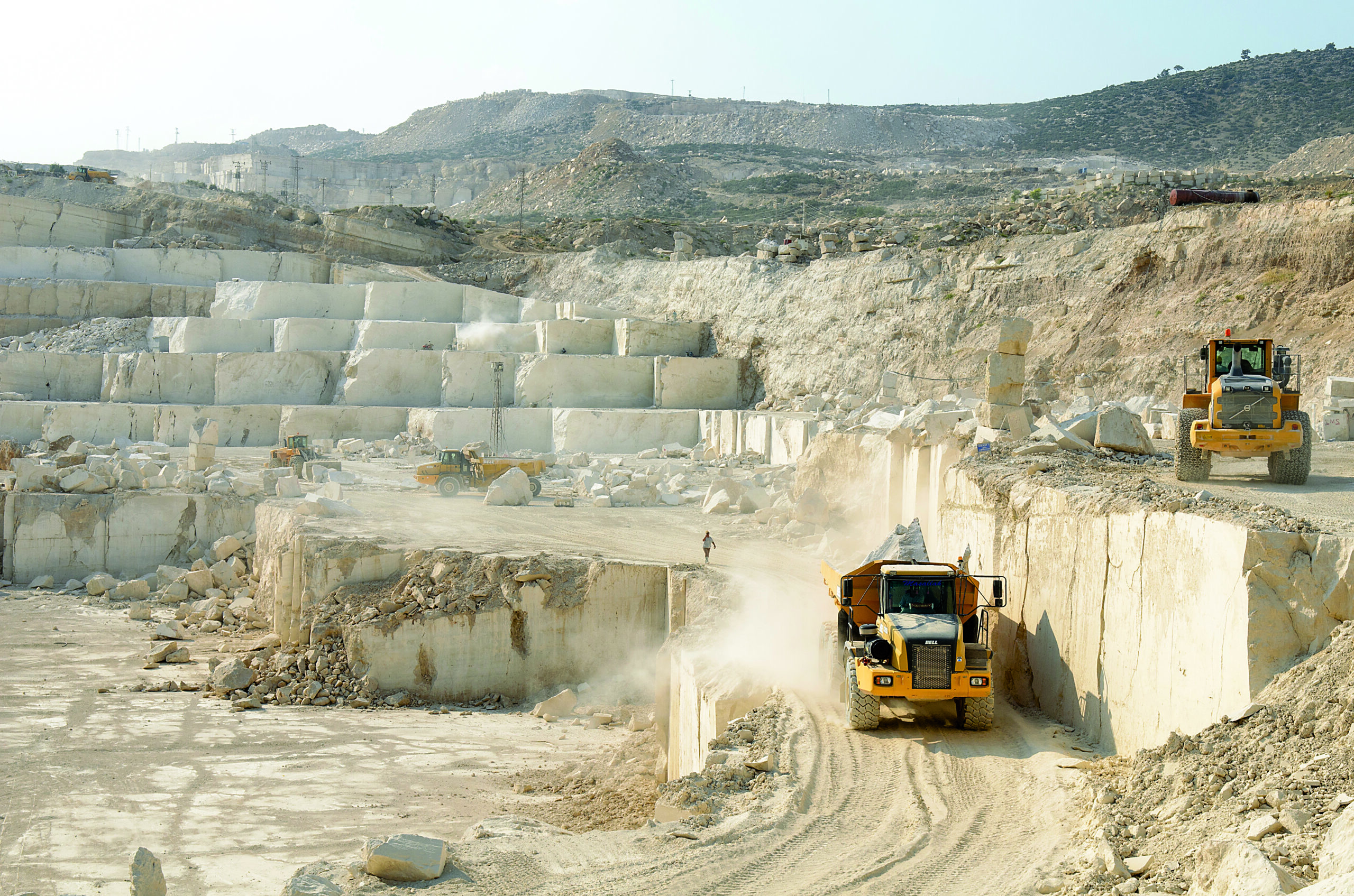
When sourcing directly from the quarry, decisions are often made long before the stone arrives in Australia. These may include:
- Selecting specific stone blocks
- Reviewing colour consistency
- Assessing mineral deposits and veining
- Identifying defects or cracks
- Determining the most suitable finish
- Confirming the intended application of the material
The quality and consistency of natural stone is often influenced by these early decisions.
Natural stone is not manufactured to a formula. Every block of stone is unique, and the selection process plays an important role in determining the appearance and performance of the finished product.
When comparing suppliers, it can be worth asking:
- Where does the stone come from?
- Is it sourced directly from the quarry?
- How is quality assessed?
- What level of control does the supplier have over selection and processing?
Understanding the answers to these questions can provide valuable insight into why products that appear similar may differ in both quality and price.
Make Sure the Material Is Fit for Purpose
Not all stone products are suitable for every application.
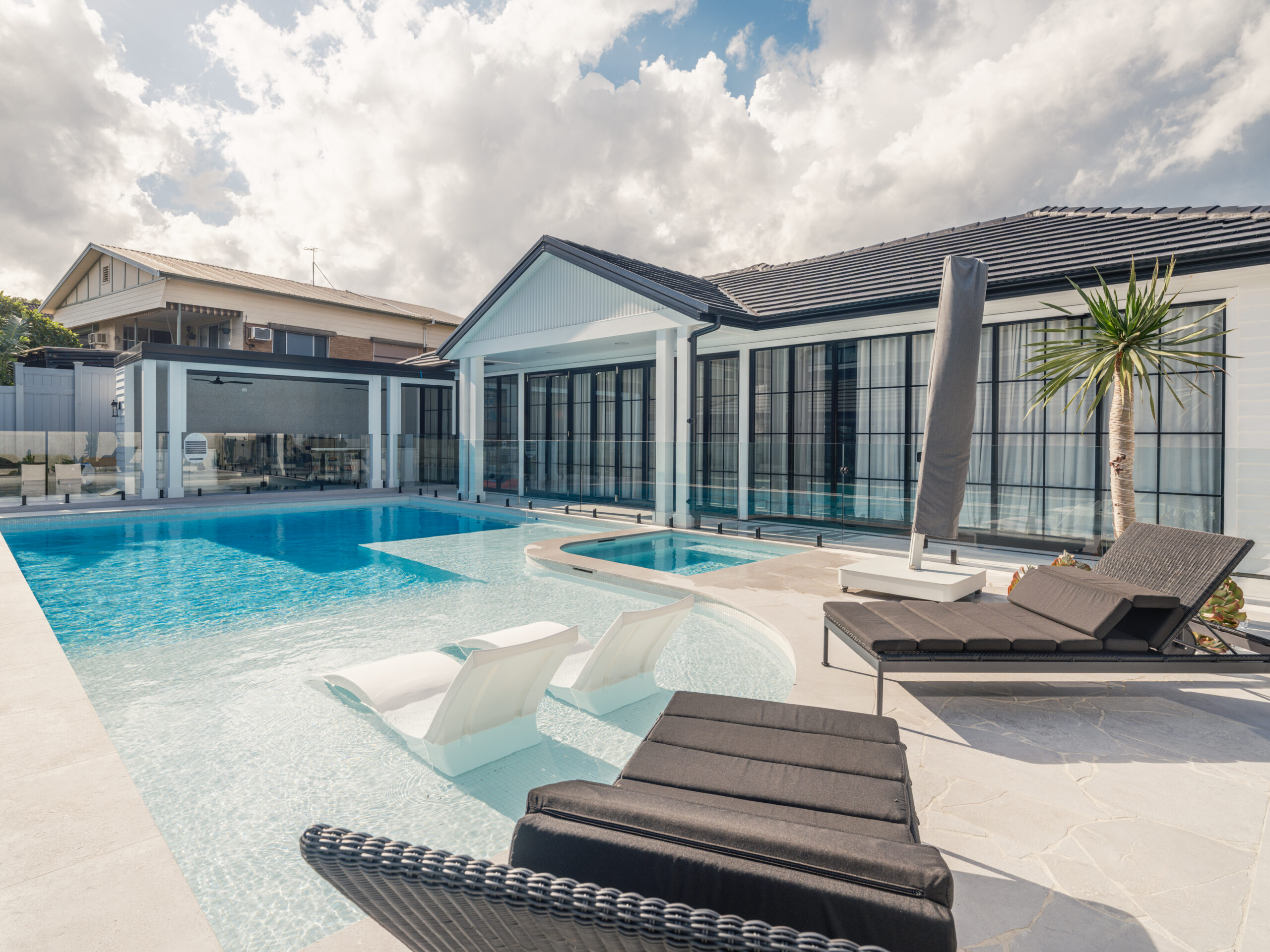
A material that performs well indoors may not be appropriate around a swimming pool, on external stairs or in exposed outdoor environments.
Slip resistance, surface finish, durability and maintenance requirements should all be considered before making a selection.
Real World Example
We’ve seen projects where homeowners selected a lower-priced product, only to discover later that it did not provide the required slip resistance for outdoor use. In one instance, a surface treatment had to be applied after installation to improve slip resistance, creating additional costs that ultimately exceeded the original saving.
This doesn’t mean a lower-priced product is necessarily the wrong choice. It simply highlights the importance of ensuring the material is appropriate for its intended application from the outset.
Look Beyond the Price Per Square Metre
When comparing quotes, it is important to understand exactly what is included.
Ask suppliers whether pricing includes:
- Delivery
- GST
- Pool coping
- Stair treads
- Custom pieces
- Wastage allowances
- Sealing products
A quote that appears less expensive initially may not represent the total project cost.
Understanding the complete scope of supply helps ensure a fair comparison.
Real World Example
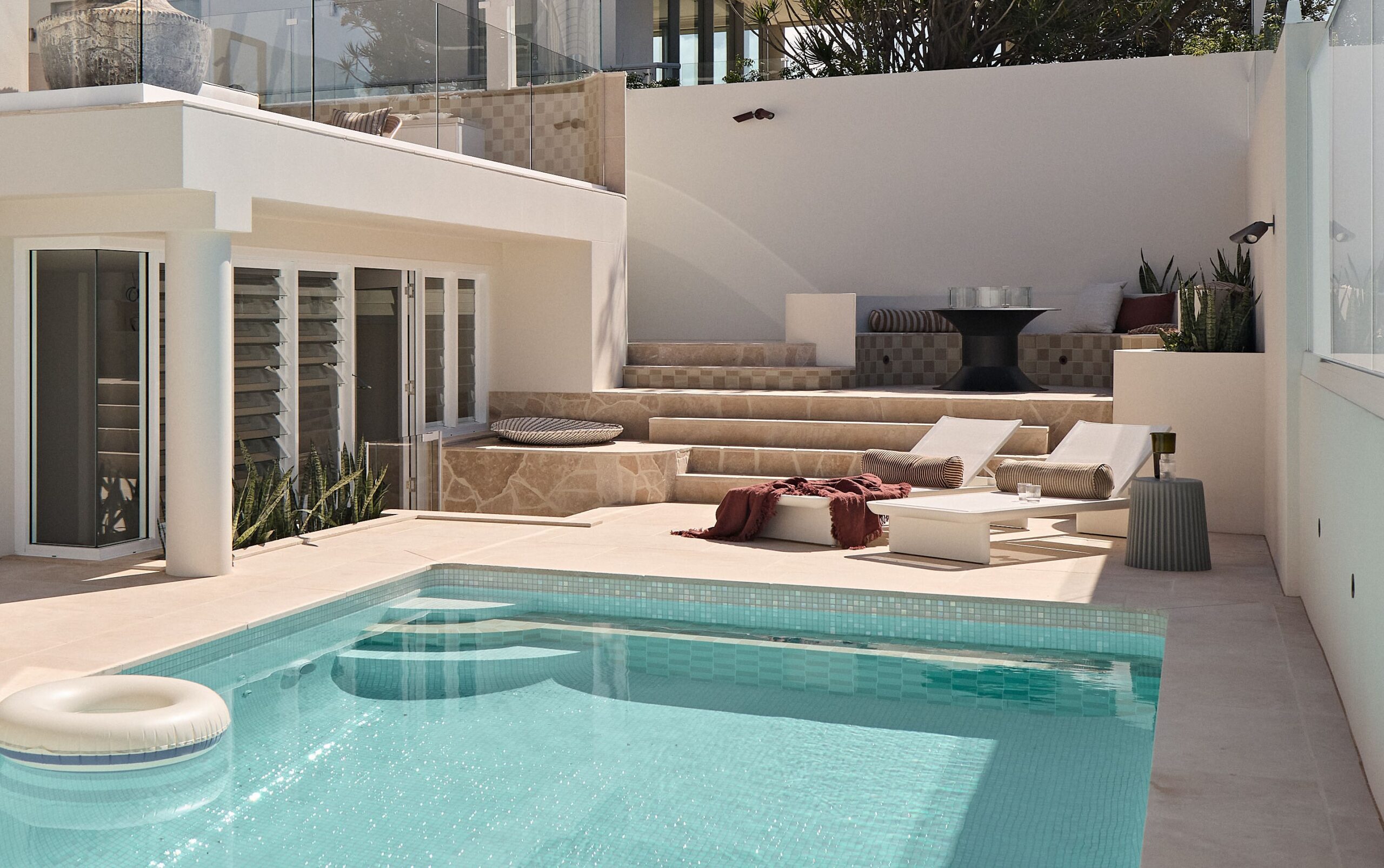
One quote may appear less expensive because it only includes paving, while another includes matching pool coping, stair treads and delivery.
Without understanding exactly what is included, it can be difficult to make a true comparison between suppliers. Looking beyond the square metre rate often provides a clearer picture of the overall project cost.
Look for Advice, Not Just Products
Choosing natural stone is about more than selecting a colour, finish or price point.
A good supplier should take the time to understand the project, how the material will be used and what outcome you’re trying to achieve before making a recommendation.
The right solution isn’t always the most expensive product, nor is it always the least expensive. It is the material that best suits the application, budget, maintenance expectations and overall design vision.
For example, a homeowner may be looking for:
- A safe and durable pool surround
- A low-maintenance entertaining area
- A cohesive indoor-outdoor material palette
- A driveway that can withstand vehicle traffic
- A natural stone that suits a coastal environment
Each of these requirements may lead to a different recommendation.
An experienced consultant should be able to explain the advantages and limitations of different materials, helping you make an informed decision based on the needs of the project rather than simply presenting products and prices.
The goal should be to find the right solution, not just the cheapest material.
Evaluate Service and Product Knowledge
The supplier’s expertise can be just as important as the product itself.
A knowledgeable consultant should be able to provide guidance on:
- Suitable applications
- Slip resistance requirements
- Material characteristics
- Installation considerations
- Maintenance recommendations
- Product alternatives
The best stone selections are often the result of collaboration between homeowners, designers, builders and knowledgeable suppliers. Bringing together technical expertise, design intent and practical considerations helps ensure materials are selected with confidence and perform as expected long after installation.
The best stone supplier is not necessarily the one with the largest range or the lowest price. It’s the one that helps you select the right material for your project.
Consider Availability and Supply
Material availability is another factor that is often overlooked.
Questions worth asking include:
- Is the material currently in stock?
- Can the supplier provide the required quantity?
- Will future stages of the project be supported?
- If additional material is required later, what level of consistency can be expected?
This can be particularly important for larger residential projects, commercial developments and staged construction programs.
As natural stone is a product of nature, variation between blocks and production runs should always be expected. Discussing future supply requirements early allows suppliers to provide guidance on availability, batching and staging considerations, helping clients make more informed decisions before materials are allocated.
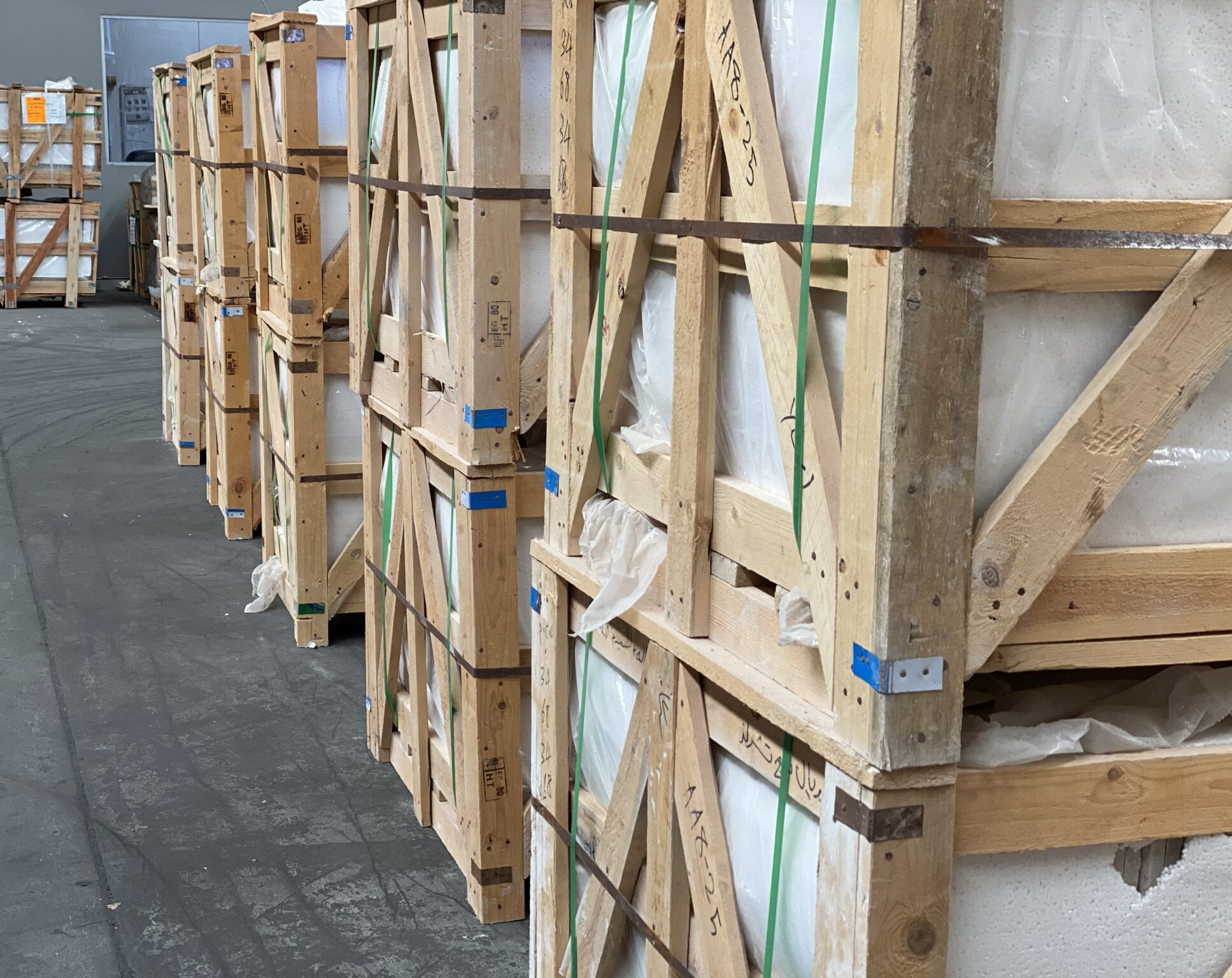
Real World Example
Material availability can play an important role in project planning.
For projects being completed in stages, clients often assume additional material can simply be ordered later. However, because natural stone is sourced from different blocks and production runs, variation between batches should always be expected.
If material for both current and future stages is available at the time of purchase, some clients choose to secure the full quantity upfront, particularly if consistency is important to the overall design outcome. Depending on the supplier, unused material may be able to be stored until it is required on site.
Alternatively, if only part of the required quantity is currently available and project timelines allow, some clients may choose to wait for a future shipment before placing their order.
Every project is different. Discussing staging requirements, timing and future material needs early in the selection process can help clients better understand the options available and plan accordingly.
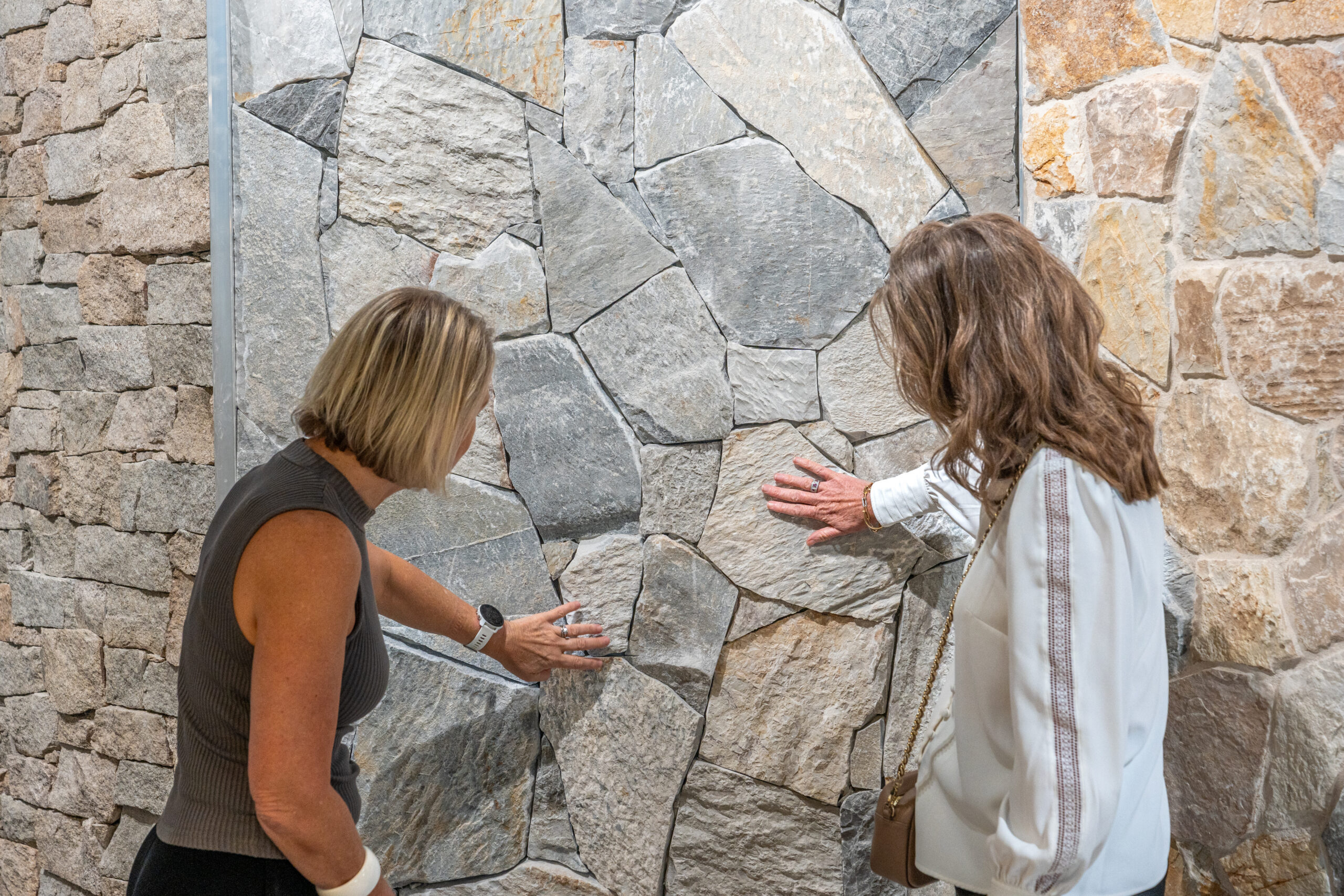
View the Materials in Person
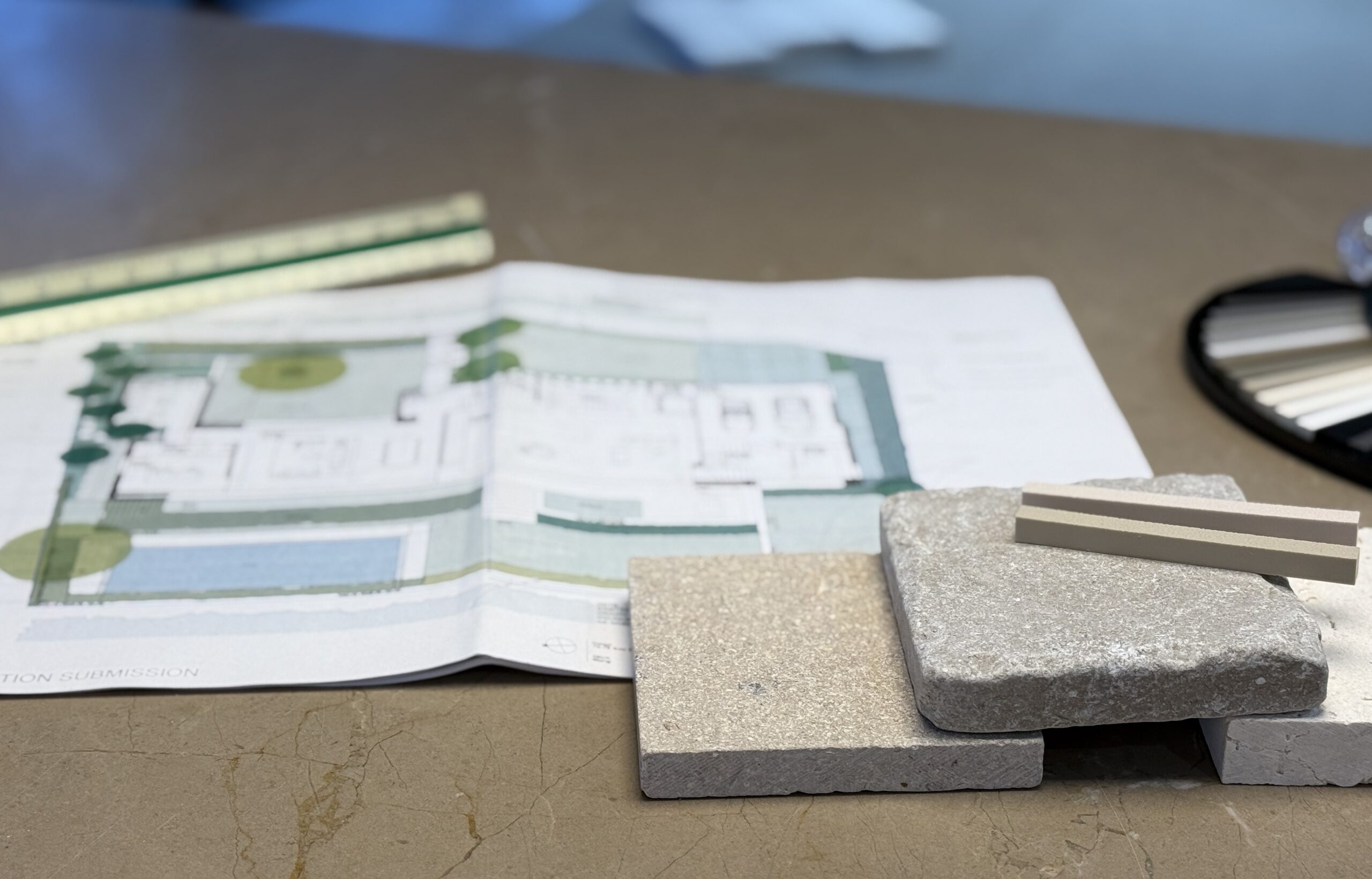
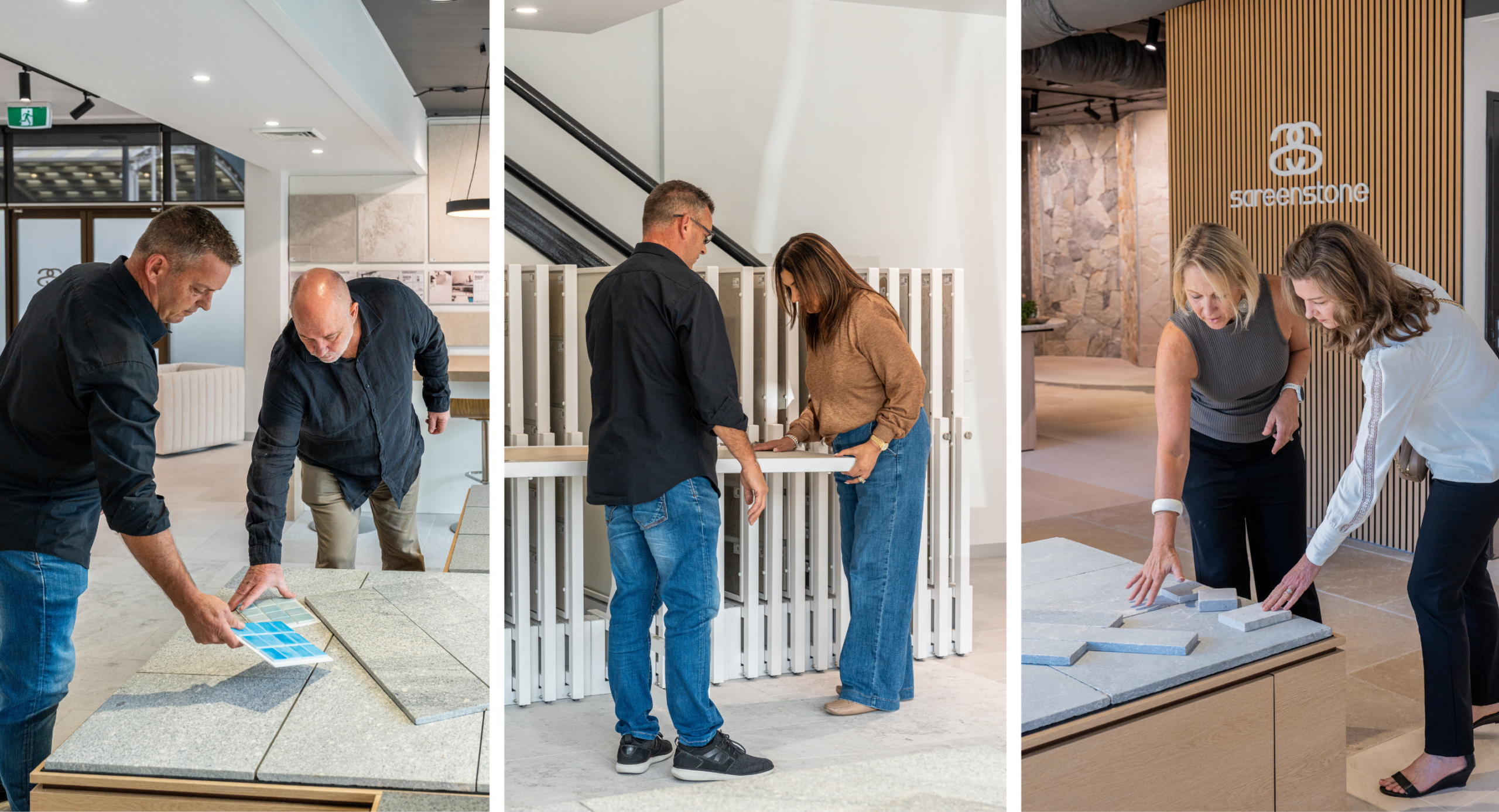
Seeing a material firsthand allows you to assess:
- Colour variation
- Surface texture
- Finish
- Scale
- Natural movement and character
It also provides an opportunity to compare multiple options side-by-side and determine which material best suits the overall design vision.
Final Thoughts
Comparing natural stone suppliers involves much more than comparing prices.
Quality, suitability, availability, technical support and service all contribute to the overall value of a product and the long-term success of a project.
The best outcome is rarely achieved by selecting the lowest-priced option alone. Instead, it comes from understanding what is being offered, ensuring the material is fit for purpose and choosing a supplier who can support the project from selection through to completion.
Taking the time to compare these factors carefully can help you make a confident decision and achieve a result that performs well for years to come.
FAQs
Why are natural stone prices different between suppliers?
Natural stone prices can vary due to differences in stone quality, thickness, finish, sourcing methods, processing standards, availability and the services included within a quotation.
How do I compare natural stone quotes fairly?
Compare products with the same specifications, including thickness, finish, slip resistance, edge treatments and included items such as delivery, coping and stair treads.
Does a higher price always mean better quality natural stone?
Not necessarily. However, higher-quality natural stone often undergoes more rigorous block selection and processing, which can improve consistency, appearance and performance.
Why is it important to view natural stone in person?
Viewing natural stone in person allows you to assess colour variation, texture, finish and natural characteristics that may not be fully represented in photographs or samples.
Can natural stone vary between batches?
Yes. Natural stone is a product of nature and variation between blocks and production runs should always be expected. Discussing future supply requirements early can help you understand the options available for your project.
What questions should I ask a natural stone supplier?
Ask about sourcing, quality control, slip resistance, suitability for your application, stock availability, future supply and what is included within the quoted price.