Limestone vs. Travertine | What to Choose and Why
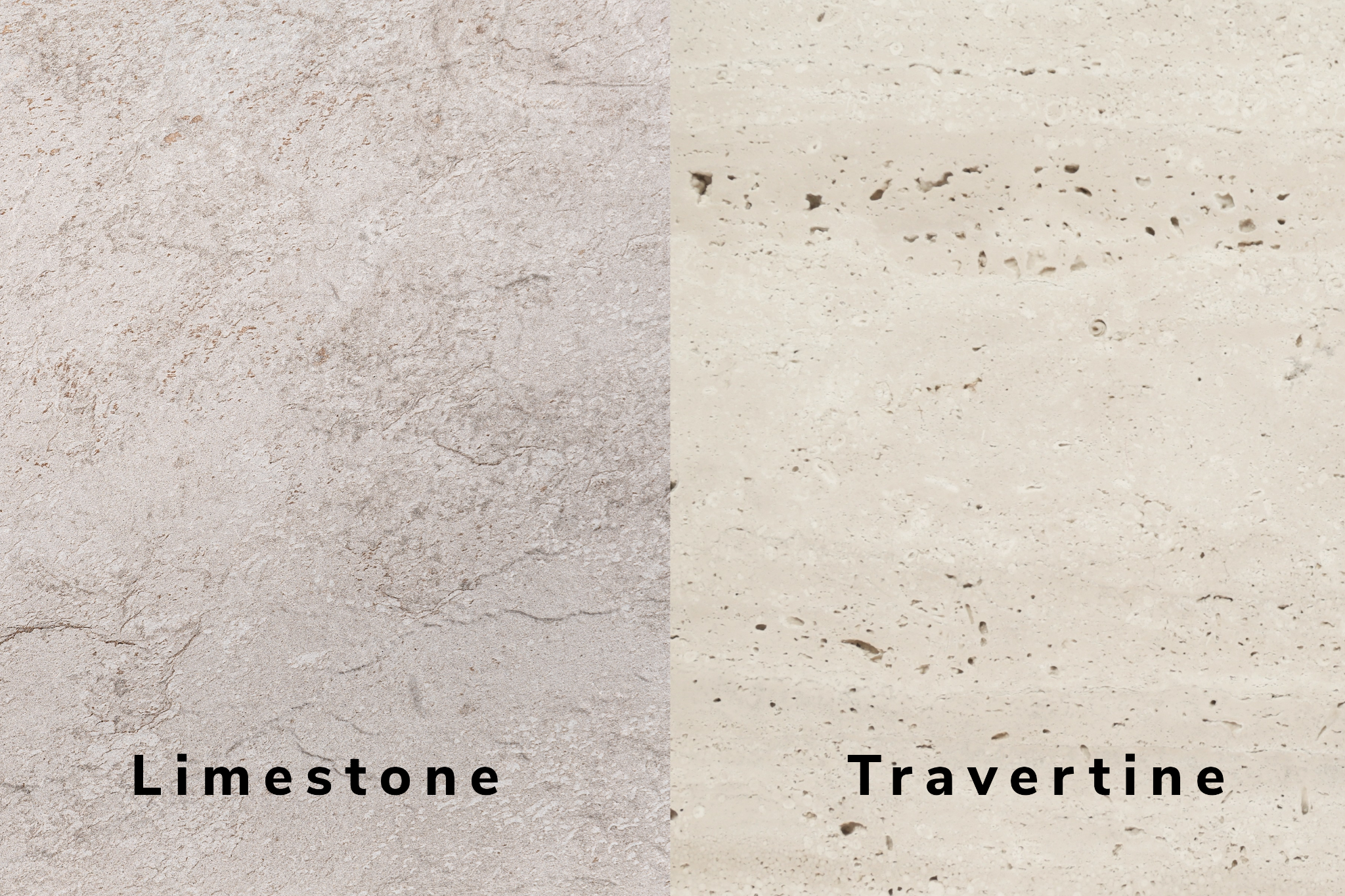
Limestone and travertine are two of the most popular natural stones used in Australian architecture, interiors and landscaping. Both offer timeless character, tactile surfaces and versatile neutral tones, but they differ in their formation, appearance and maintenance requirements.
When comparing limestone vs travertine, the best choice will depend on where the stone will be installed, the finish required, the amount of natural variation you prefer and how much maintenance is practical for your space.
Choosing Natural Stone for Your Project or Home Renovation
Every piece of natural stone is shaped by geological processes, giving it variations in colour, texture, veining and markings. These characteristics are part of its appeal, but they also mean that stone should not be selected on appearance alone.
Before choosing limestone or travertine, consider:
- Whether the stone will be installed indoors or outdoors
- The expected level of foot traffic
- Exposure to water, salt, spills or weather
- The required surface finish and slip resistance
- Cleaning and maintenance expectations
- Available tile, paver and pool coping formats
- The overall architectural and landscape design
What Is the Difference Between Limestone and Travertine?
The main difference between limestone and travertine is how each stone forms and the resulting surface character.
Limestone is a sedimentary stone composed primarily of calcium carbonate. It commonly forms through the accumulation and compaction of marine organisms, shells and other sediments over time.
Travertine is technically a form of limestone, but it develops through the precipitation of calcium carbonate around mineral springs, hot springs and limestone caves. This process produces the characteristic holes and troughs commonly seen across travertine surfaces.
| Feature | Limestone | Travertine |
|---|---|---|
| Formation | Commonly formed from compacted marine sediment | Formed by mineral-rich terrestrial water |
| Typical appearance | Subtle movement and more consistent neutral tones | Visible pores, linear movement and organic variation |
| Surface holes | Usually fewer and smaller | Naturally occurring pits and voids |
| Common finishes | Honed, tumbled, brushed and textured Alfresco finishes | Honed, filled, unfilled, tumbled and brushed finishes |
| Design character | Refined, understated and contemporary | Textural, warm and character-rich |
| Maintenance | Depends on the product, finish and application | Voids and fill may require additional attention |
| Applications | Interior flooring, outdoor paving, pools and landscaping | Interior flooring, paving, pools and architectural features |
These are general characteristics. Individual products can vary considerably, so the suitability of a particular stone should always be confirmed for the intended application.
Appearance and Natural Character
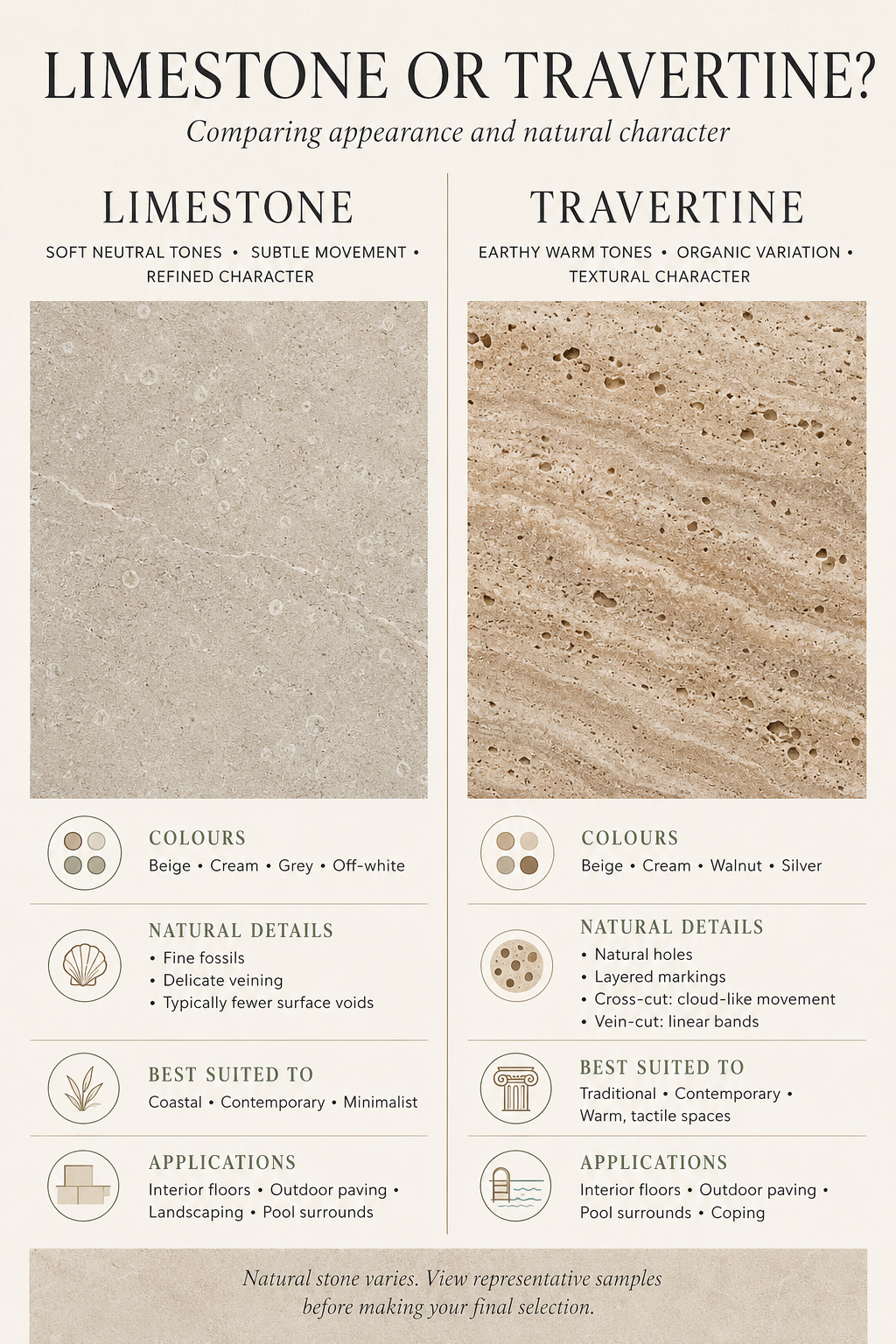
Both materials create a softer, more organic appearance than manufactured surfaces. However, limestone and travertine offer distinctly different visual effects.
Limestone
Limestone is often associated with soft beige, cream, grey and off-white tones. Many varieties have subtle movement, fine fossil markings or delicate veining rather than dramatic patterning.
Its restrained appearance complements coastal, contemporary and minimalist Australian architecture. Limestone can help create a seamless transition between indoor and outdoor spaces, especially when complementary finishes and formats are available.
The limestone tile and paver range includes options for interior floors, outdoor entertaining areas, landscaping and pool surrounds.
Travertine
Travertine is recognised by its natural holes, layered markings and organic variation. Cross-cut travertine generally displays cloud-like movement, while vein-cut travertine reveals more linear bands created by the stone’s formation.
Its earthy beige, cream, walnut and silver tones can suit traditional architecture as well as contemporary spaces that call for warmth and texture.
Available travertine tiles, pavers and coping can be used across relaxed outdoor areas, pool surrounds and detailed interior floors.
Holes in Travertine
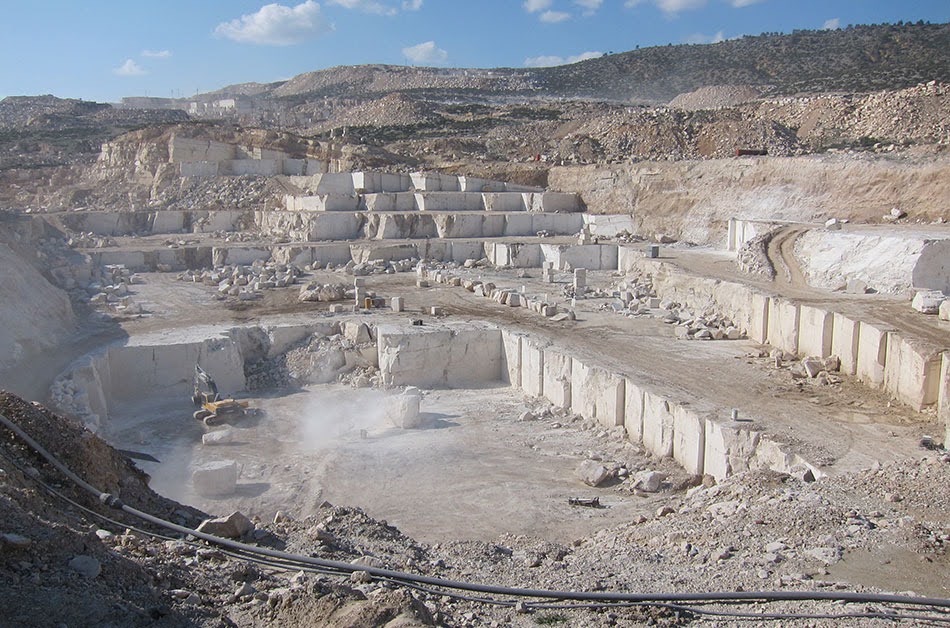
Naturally occurring holes are an inherent characteristic of travertine rather than a defect. Their size, frequency and distribution will vary according to the stone and its grade.
Travertine may be supplied in several forms:
- Filled travertine has its surface voids filled to create a smoother appearance.
- Unfilled travertine retains more of its natural texture and character.
- Tumbled travertine has softened edges and a weathered-looking surface often selected for outdoor spaces.
The holes may also be filled with suitable grout during installation. The preferred treatment will depend on the desired appearance, location and maintenance requirements.
Higher-grade travertine is generally selected for more controlled colouring and fewer or smaller surface voids. However, natural variation should still be expected.
Which Is More Durable: Limestone or Travertine?
Both limestone and travertine can provide long-lasting surfaces when the right product, finish and installation method are selected. Durability depends on the stone’s density, thickness, finish, installation, exposure, sealing and maintenance.
Some products are better suited to demanding exterior areas, while others suit protected interiors. For high-traffic, wet or outdoor applications, confirm the specific stone’s suitability with a natural stone specialist.
Maintenance: Day-to-Day Life With Natural Stone
Both stones require appropriate care. Remove grit regularly, wipe up spills promptly and use a pH-neutral cleaner suitable for natural stone. Avoid acidic, abrasive or bleach-based products, and follow the sealer manufacturer’s instructions.
Unfilled travertine may collect dirt within its natural voids, while lighter stones may show spills more readily. Maintenance will depend on the stone’s colour, finish and environment.
Does Limestone or Travertine Need to Be Sealed?
Sealing is generally recommended for both stones. A suitable penetrating sealer can improve stain resistance and simplify cleaning, but it does not make stone stain-proof.
Resealing requirements depend on the stone’s porosity, sealer type, foot traffic, cleaning practices and exposure to water, salt or oils. Choose sealers and cleaners suitable for natural stone and follow the manufacturer’s instructions.
Can Limestone and Travertine Be Used Indoors and Outdoors?
Depending on the product and finish, limestone and travertine can be used for:
- Interior flooring and bathrooms
- Entryways and hallways
- Alfresco areas, courtyards and pathways
- Garden paving
- Pool surrounds and coping
- Feature walls and architectural details
Honed finishes are often used indoors, while tumbled, brushed or textured finishes may suit exterior areas. When creating continuous indoor and outdoor flooring, different finishes may be needed to balance visual consistency with practical performance.
Slip Resistance and Surface Finish
Slip resistance is important in bathrooms, pool areas, entryways and outdoor spaces exposed to rain.
Under AS 4586, classifications apply to the specific product and finish tested. A honed limestone may perform differently from a textured Alfresco finish, just as filled, honed and tumbled travertine finishes can produce different results.
First Choice Classic Travertine demonstrates this variation through published ratings for its different finishes.
When selecting a surface:
- Check testing for the specific stone and finish.
- Consider likely water exposure.
- Account for drainage and slopes.
- Confirm project requirements with the relevant professional.
Consider appearance alongside performance when selecting natural stone finishes.
Limestone vs Travertine Cost
Neither stone is universally more expensive. Pricing depends on the stone’s origin, grade, dimensions, thickness, finish, treatment, availability and installation requirements.
Standard tumbled travertine may provide an accessible natural stone option, while vein-cut stone, large formats and custom pieces generally cost more. Limestone pricing also varies by density, colour, finish and source. Compare individual products suited to the same application rather than the two stone categories broadly.
Limestone vs Travertine for Pool Areas
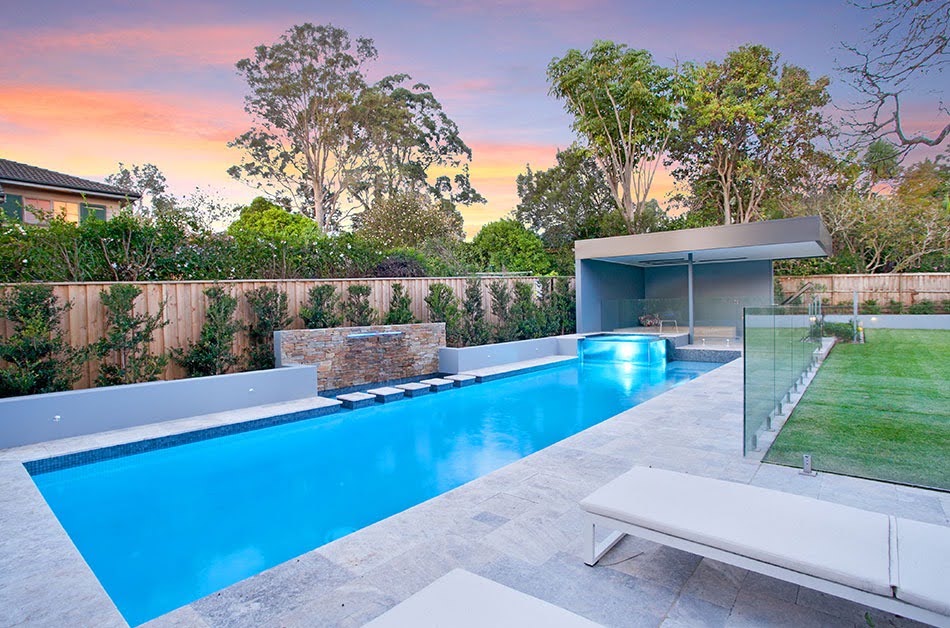
Both stones may suit pool surrounds and coping when the product, finish and installation system are appropriate.
Limestone offers a refined, continuous appearance. Tavira Limestone is available in an Alfresco finish suitable for exterior and poolside applications. Travertine provides a warmer, more textured look, particularly in tumbled formats.
For either material, consider slip resistance, surface temperature, pool water, salt exposure, drainage, sealing and matching coping. The selected pool coping stone should also complement the surrounding paving.
Should You Choose Limestone or Travertine?
Choose limestone if you prefer:
- Subtle movement and more uniform colouring
- Soft cream, beige, white or grey tones
- A refined or contemporary aesthetic
- A smoother surface with fewer natural voids
- Coastal or minimalist design
Choose travertine if you prefer:
- Visible texture and natural holes
- Organic variation and layered movement
- Warm, earthy colouring
- Tumbled or aged character
- A traditional, Mediterranean or highly tactile design
These distinctions are helpful starting points rather than strict rules. Product samples should be viewed in the intended lighting and alongside other project materials before making a final decision.
Frequently Asked Questions
Is travertine a type of limestone?
Yes. Travertine is a terrestrial form of limestone created when calcium carbonate precipitates from mineral-rich water, commonly around springs and limestone caves.
Is limestone harder than travertine?
The density and strength of both materials vary between individual products. Some limestones are denser than some travertines, but suitability should be assessed using the characteristics of the specific product rather than a general comparison.
Which has more natural variation?
Both stones vary naturally. Travertine typically has more obvious holes, bands and textural movement, while many limestones offer subtler veining, fossils and tonal changes.
Can limestone and travertine be used outside?
Yes, selected products can be used outdoors with an appropriate finish and installation system. Suitability, slip resistance, exposure and maintenance requirements should be confirmed before selection.
Can travertine holes be filled?
Yes. Travertine may be supplied pre-filled or its voids may be filled during installation using a suitable product. It can also be left unfilled where the application and desired design allow.
Which is better around a pool?
Both may be suitable. The best choice depends on the individual stone, surface finish, slip resistance, pool environment and maintenance expectations.
The Bottom Line
Limestone offers subtle movement and refined neutral tones, while travertine provides greater texture, variation and warmth. The right choice depends on the application, finish and maintenance requirements.
Arrange a Studio Session with Sareen Stone’s Natural Stone Specialists to compare suitable options for your project.