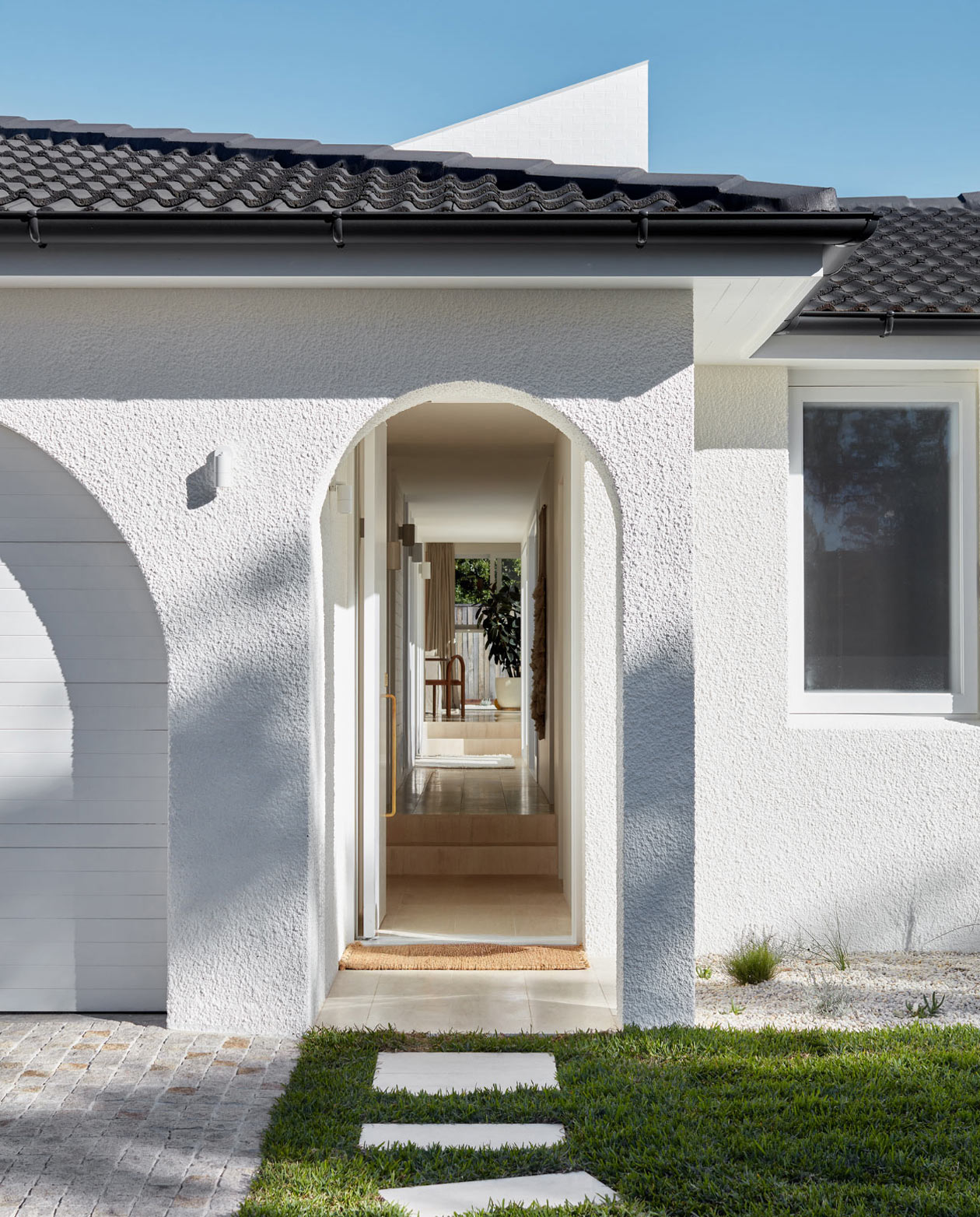
Everything You Need to Know Before Buying Natural Stone Cobblestones
Natural stone cobblestones bring texture, character and lasting material presence to driveways, pathways, courtyards and commercial landscapes. Their smaller format allows them to follow curves, define borders and create detailed paving patterns that may be difficult to achieve with larger-format pavers.
However, not every cobblestone is suitable for every application.
The stone type, thickness, size, finish, format and installation method can all influence how the completed surface looks and performs. A cobblestone selected for a pedestrian garden path may have very different requirements from one intended for a frequently used driveway.
Before making your selection, it is important to understand what you are buying, where it will be used and how it should be installed. This guide explains the key factors to consider when choosing natural stone cobblestones for a residential or commercial project.
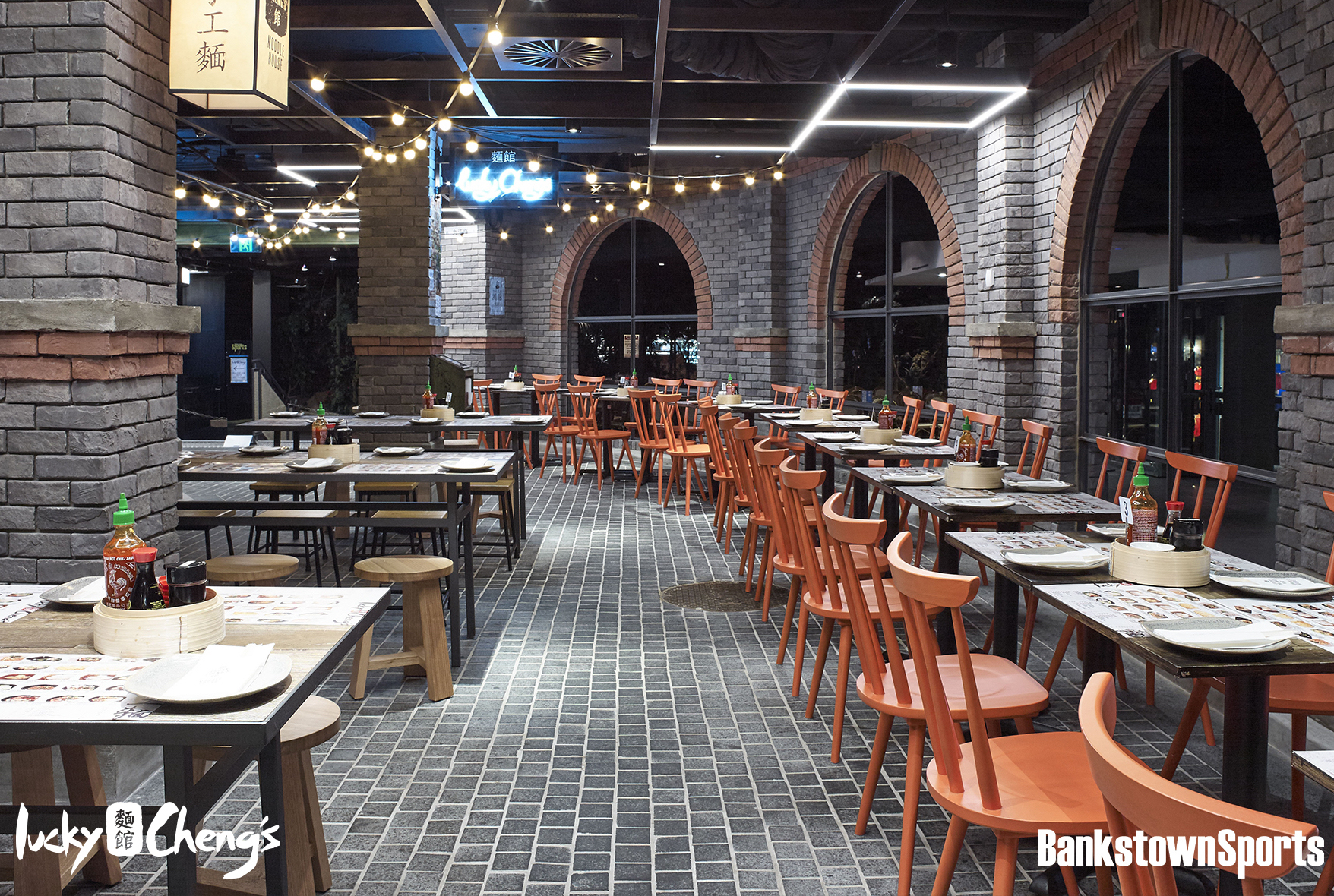
What Are Natural Stone Cobblestones?
Natural stone cobblestones are small-format paving units cut from stone such as granite, quartzite or porphyry. They are commonly used for driveways, pathways, courtyards, landscape features and high-traffic outdoor areas.
Historically, the term cobblestone referred to naturally rounded stones used to form roads and pathways. Today, products described as cobblestones are generally quarried and cut into more consistent square or rectangular units, making them easier to specify and install within contemporary landscapes.
Cobblestones are not conventional tiles. Their compact dimensions, substantial thickness and textured finishes distinguish them from thinner stone tiles generally used over prepared substrates in lighter-duty applications.
You may also hear them referred to as:
- cobbles
- stone setts
- granite setts
- cobblestone pavers
- mesh-mounted cobblestones
The terminology varies, so the most important step is to confirm the product’s material, dimensions, thickness, finish and intended application rather than relying on its name alone.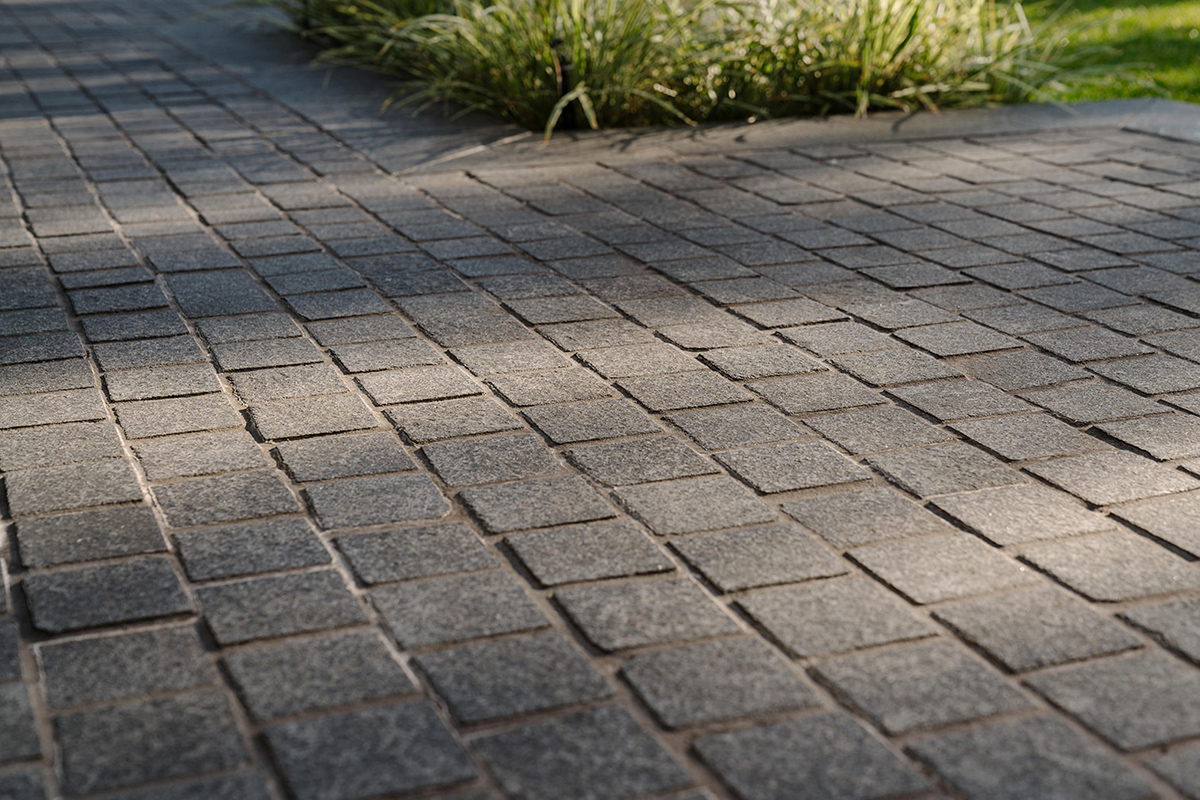
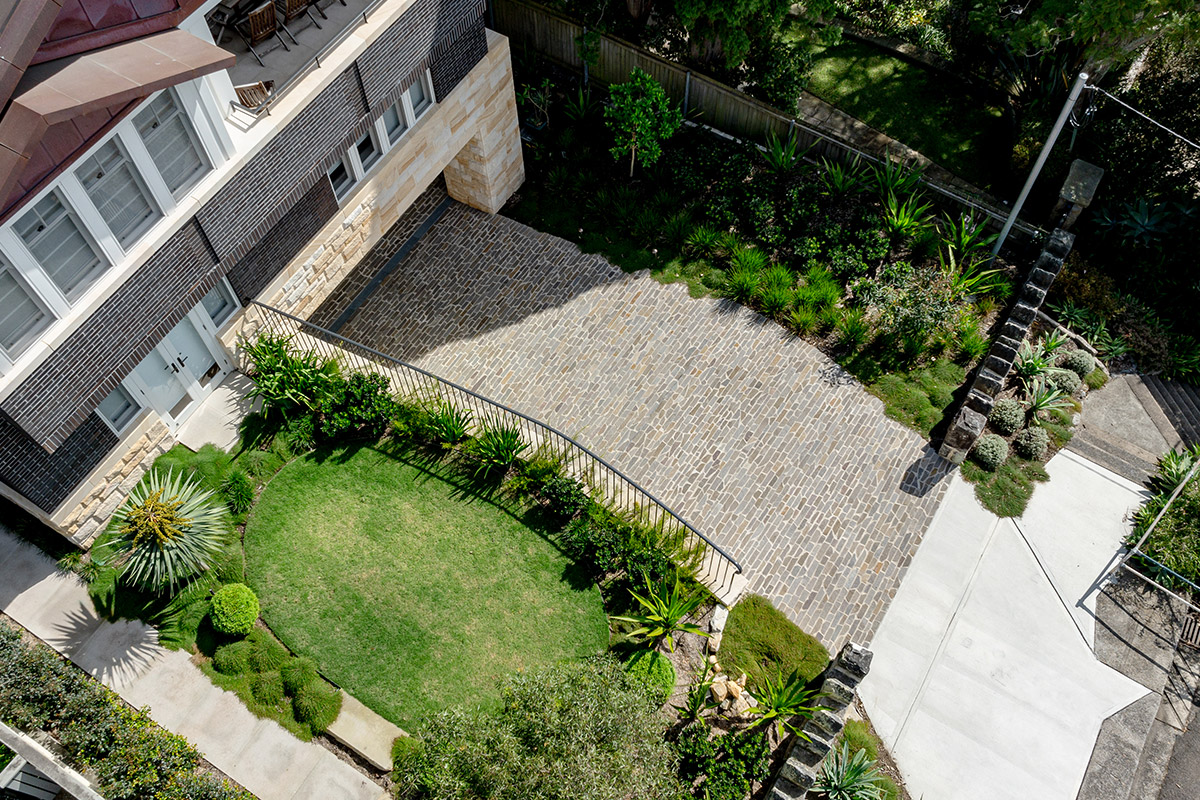
Where Can Cobblestones Be Used?
Cobblestones are particularly versatile because their small format can respond to both practical and decorative requirements.
They are commonly used for:
- residential driveways
- garage floors
- commercial entries and vehicle areas
- pedestrian pathways
- garden paths
- courtyards
- outdoor entertaining areas
- landscape borders and edging
- bands within larger-format paving
- curved areas and circular designs
- public spaces and commercial landscapes
Square and rectangular cobblestones can create very different visual effects. A traditional square cobble may produce a more established, European-inspired appearance, while an elongated rectangular format can create a cleaner and more contemporary result.
Narrow formats such as Filetti can also be used to follow curves, form borders and introduce linear detail within a larger paving design.
Which Natural Stone Is Best for Cobblestones?
There is no single stone that is best for every project. The appropriate choice depends on the intended use, desired appearance, exposure and installation requirements.
Granite cobblestones
Granite is one of the most widely used stones for driveways and high-traffic landscapes because of its density, strength and durability.
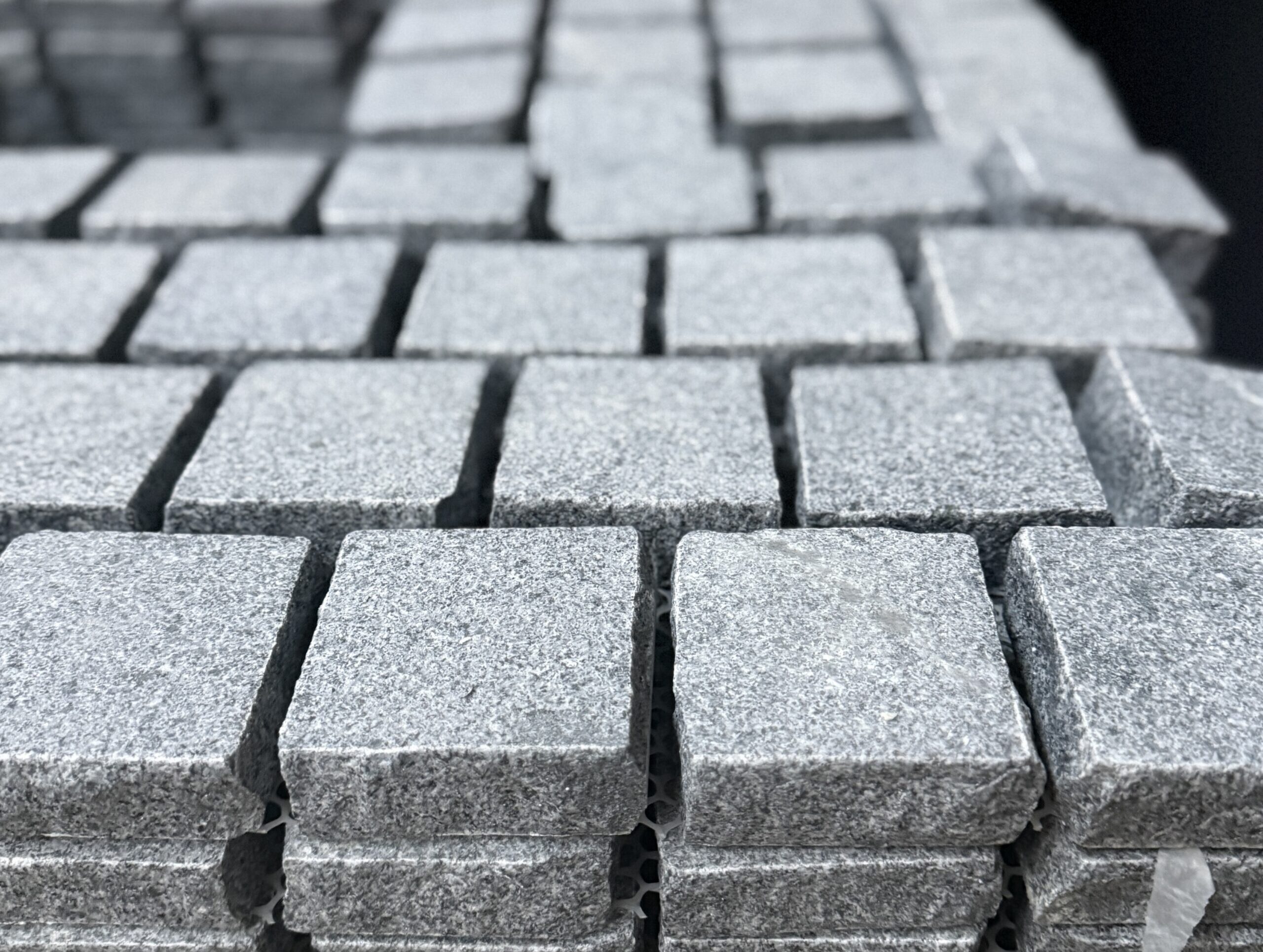
Granite cobblestones are available in a variety of colours, including light and mid greys, charcoal tones and warmer sandy shades. A flamed or otherwise textured finish can provide grip while revealing the stone’s natural crystalline character.
They can suit both contemporary and traditional architecture, depending on the colour, format and laying pattern selected.
Quartzite cobblestones
Quartzite is a dense natural stone known for its strength and distinctive tonal variation. Depending on the stone, it may feature warmer colours, layered movement or subtle crystalline highlights.
It can work particularly well where the landscape requires more natural variation than a relatively consistent granite.
Porphyry cobblestones
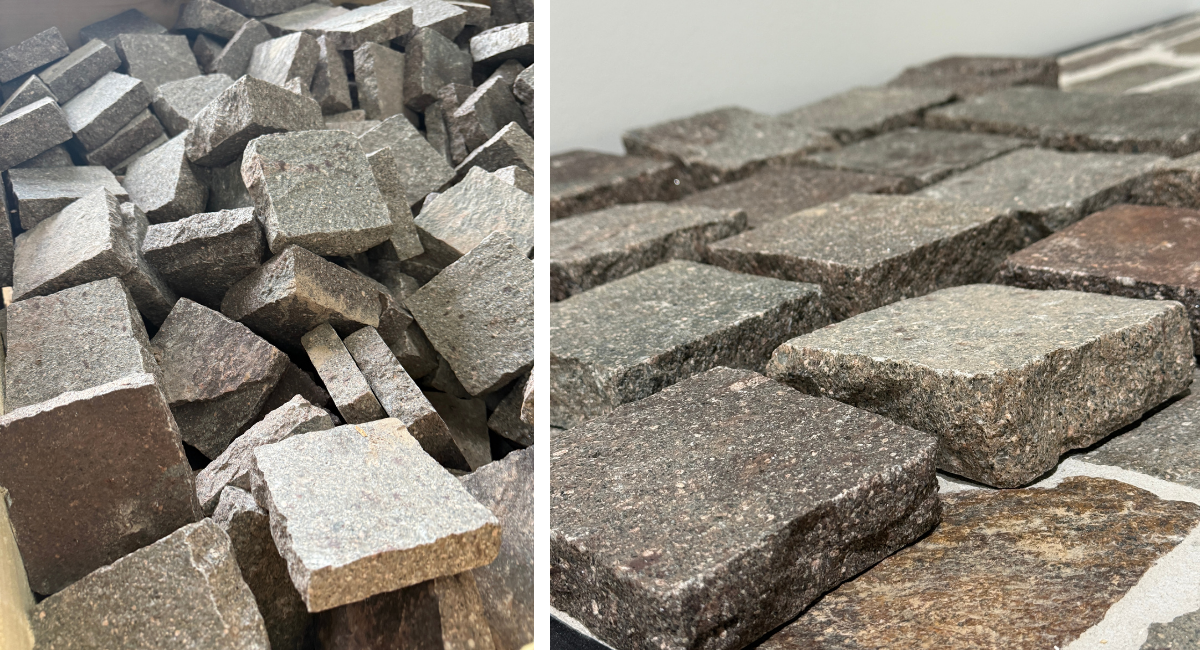
Porphyry is recognised for its durability, rich tonal variation and strong connection with traditional European streetscapes.
Its combination of earthy greys, browns, rusts and muted purples can add depth to pathways, driveways and landscape features. Narrow porphyry formats are also particularly effective in linear patterns, curved areas and detailed paving designs.
Limestone
Limestone cobblestones offer a softer, more understated appearance, with warm neutral tones that work beautifully in courtyards, pathways, garden settings and pedestrian areas. The suitability of limestone for heavier traffic depends on the density of the particular stone, together with the cobblestone thickness and installation method.
Travertine
Travertine cobblestones bring natural warmth, texture and tonal variation to outdoor spaces. They are particularly well suited to courtyards, pathways, garden borders and other pedestrian applications. As with limestone, the specific stone, format, finish and intended traffic should all be considered before selection.
Whatever stone is being considered, ask the supplier to confirm that the selected product and format are appropriate for the intended application.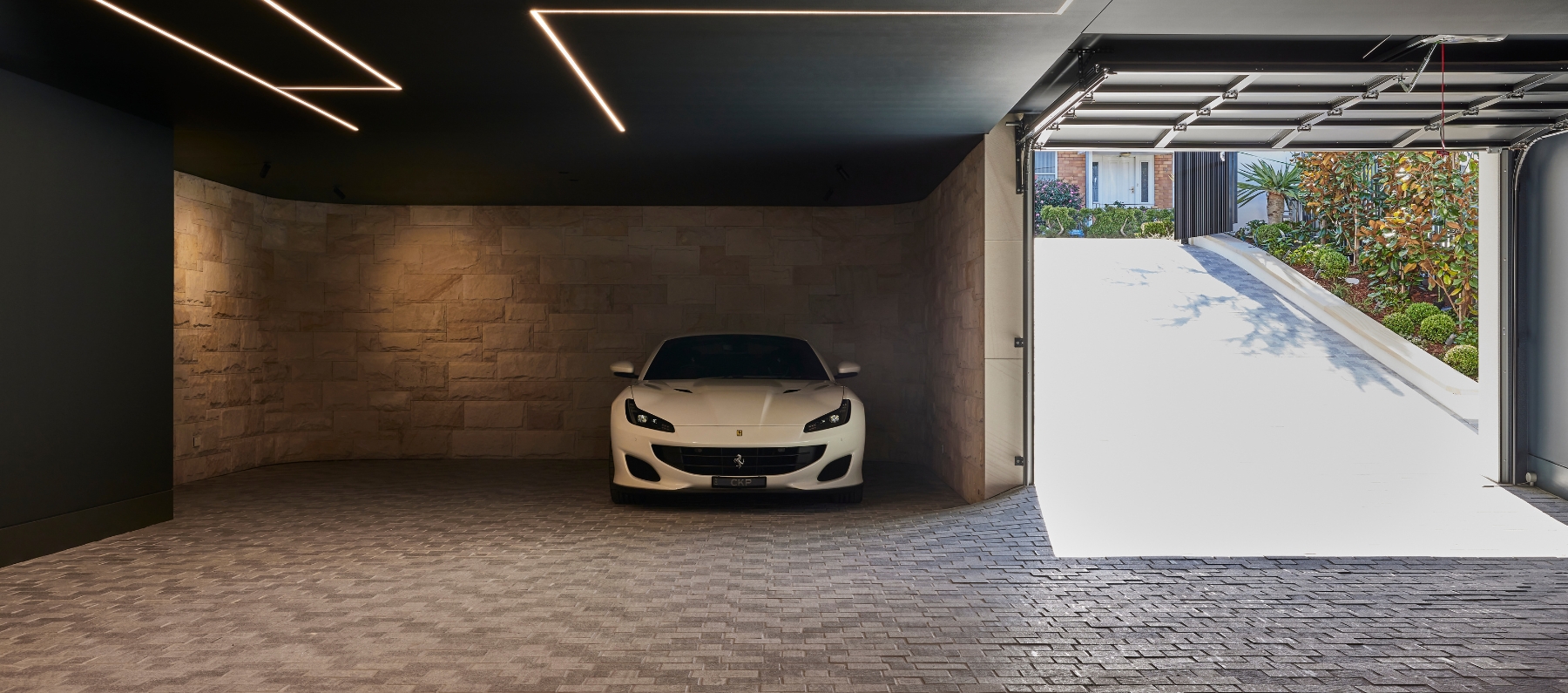
Why Cobblestone Thickness Matters
Thickness is an important consideration, particularly where cobblestones will be exposed to vehicle traffic.
A thicker stone unit generally has greater capacity to withstand concentrated loads than a thinner piece of the same material and dimensions. This is one reason 30mm cobblestones are commonly selected for driveways and other demanding external applications.
However, thickness should never be assessed in isolation.
The performance of a cobblestone installation also depends on:
- the type and strength of the stone
- the dimensions of each unit
- the substrate and base preparation
- the bedding and adhesive system
- joint width and jointing material
- drainage
- edge restraint
- vehicle type and frequency
- installation quality
A 30mm cobblestone installed over an unsuitable or poorly prepared base may not perform as intended. Conversely, a properly specified product installed over a correctly engineered substrate will have a much better opportunity to deliver long-term performance.
Before purchasing cobblestones for a driveway, provide the supplier and installer with clear information about the intended traffic and installation conditions.
Are All Cobblestones Suitable for Driveways?
No. Cobblestones should not be assumed to be driveway-suitable simply because they are made from natural stone.
For a driveway, the supplier and installer should consider:
- the stone’s strength and density
- the thickness and size of the units
- the expected vehicle load
- the frequency of vehicle movements
- whether heavy service or delivery vehicles will enter
- the base and substrate
- the proposed laying method
- drainage and movement requirements
- the finish and required slip resistance
A private residential driveway used by passenger vehicles may have different requirements from a steep driveway, shared vehicle entry or commercial loading area.
It is also important to consider how vehicles will move across the surface. Turning wheels place different stresses on paving than vehicles travelling in a straight line, particularly where the units are small or the installation has not been adequately restrained.
For this reason, the stone supplier, landscape contractor and installer should assess the complete system rather than choosing the cobblestone based only on appearance.
Loose or Mesh-Mounted Cobblestones?
Cobblestones may be supplied as individual loose pieces or attached to mesh sheets.
Neither format is automatically better. The right choice depends on the pattern, installation method and level of customisation required.
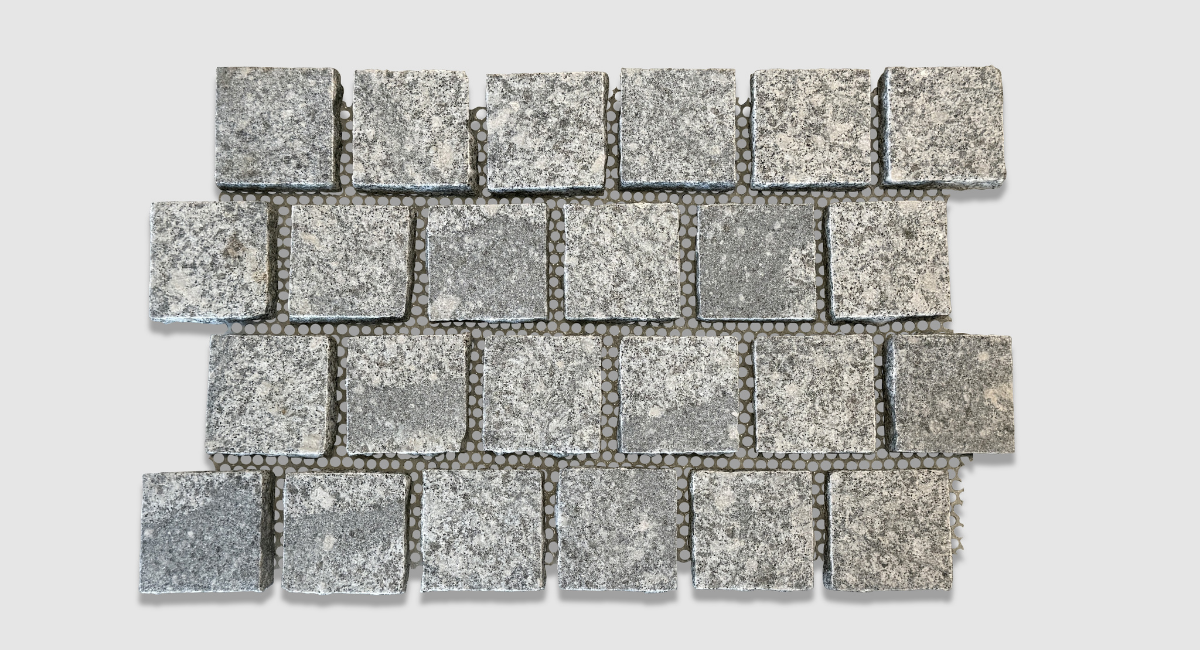
Mesh-mounted cobblestones
Mesh-mounted cobblestones are arranged in a set pattern before delivery. This may assist with:
- installation speed
- maintaining regular spacing
- achieving a consistent pattern
- handling multiple small units
- forming brick-bond or repeating layouts
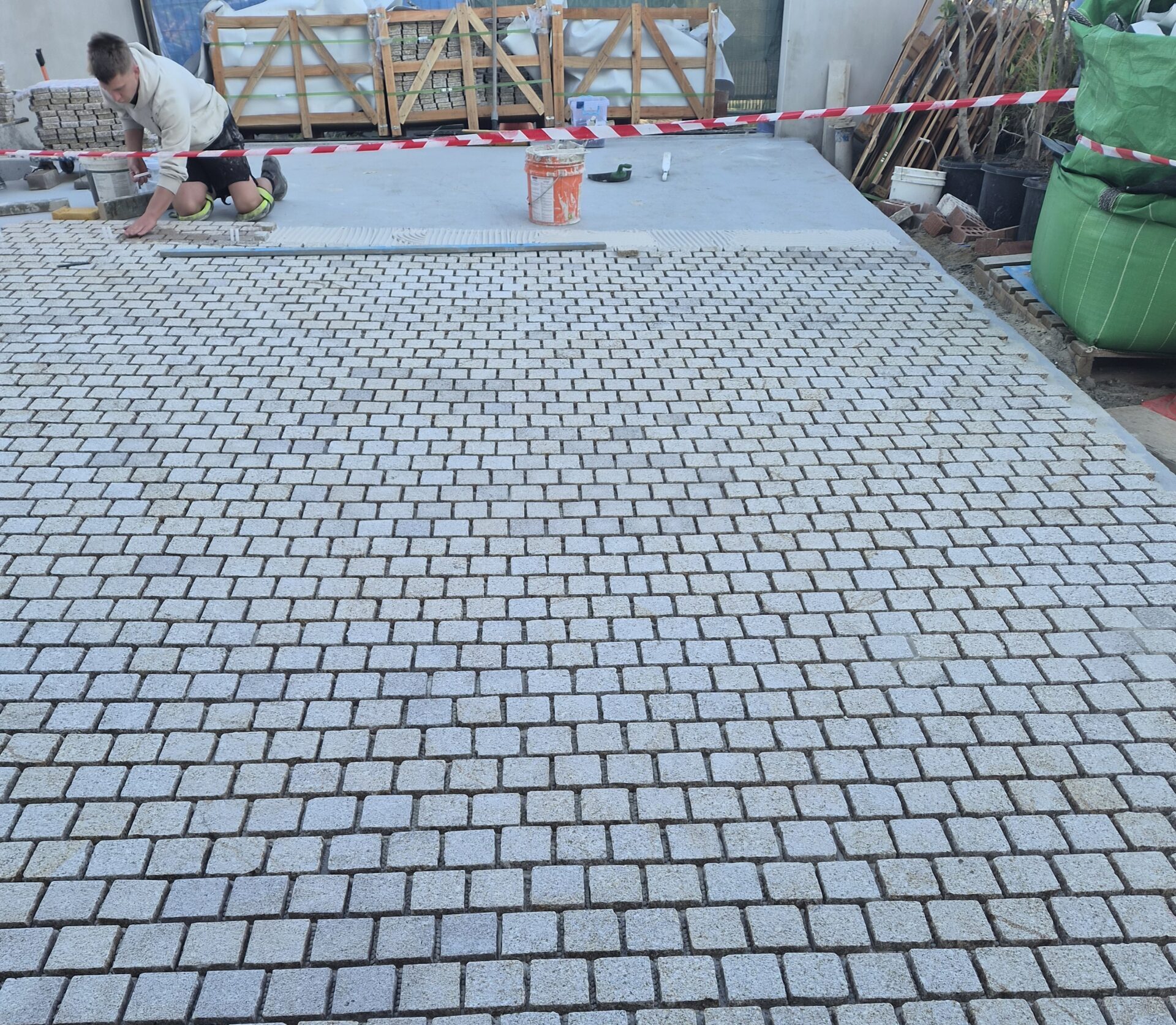
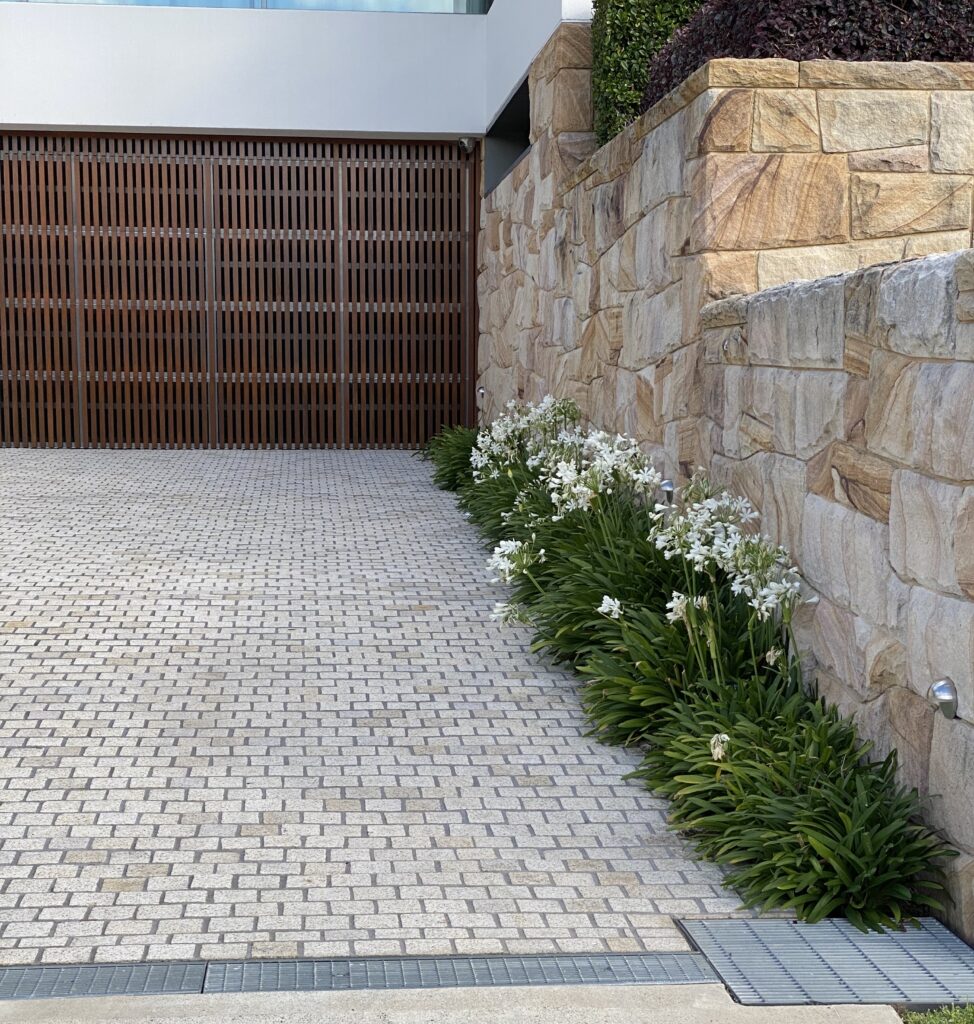
For example, rectangular cobblestones may be arranged in brick bond on mesh sheets, creating an ordered and contemporary layout.
The mesh is an installation aid rather than a substitute for proper bedding, adhesion, jointing and substrate preparation. Sheets may also need to be adjusted during installation so the joins between them do not remain visible.
Loose cobblestones
Loose cobblestones provide greater flexibility for:
- curved paths
- fan patterns
- irregular layouts
- customised borders
- detailed landscape features
- adjusting joint widths
- blending natural colour variation
They can require more time and skill to install, particularly where the design involves complex geometry or very consistent spacing.
The installer should be involved in deciding which format best suits the intended result.
Choosing the Right Finish
The finish affects the cobblestone’s appearance, texture, ease of maintenance and suitability for its location.
Common cobblestone finishes include:
Flamed
A flamed finish is created by applying intense heat to the surface of the stone, producing a textured appearance and increased surface grip.
It is frequently used on granite cobblestones for driveways, pathways and other outdoor areas.
Flamed and tumbled
Tumbling softens the edges and can give the stone a more established, weathered character. When combined with a flamed surface, it can retain texture while creating a less sharply cut appearance.
This finish can suit projects seeking a more relaxed or traditional aesthetic.
Natural or textured finishes
Some cobblestones, particularly porphyry and quartzite products, may retain a more naturally textured surface. These finishes can display greater variation and organic character.
Finish names alone are not enough to confirm performance. Where slip resistance is important, request the relevant test result for the exact stone and finish being supplied.
Do not assume that every cobblestone has the same slip rating simply because the surface appears textured.

Slip Resistance and External Use
Cobblestones are often considered for outdoor areas because their textured surfaces and numerous joints can contribute to grip underfoot.
However, slip resistance depends on several factors, including:
- the stone
- the surface finish
- surface contamination
- slope
- drainage
- maintenance
- whether the stone is wet or dry
- the jointing material
- the tested product result
For commercial spaces, accessible paths, pool-adjacent areas and other applications where slip resistance is critical, the finish should be selected with the relevant Australian requirements and project conditions in mind.
Ask for the slip-test classification for the exact product and finish rather than relying on a general description.

Selecting the Size, Shape and Pattern
Cobblestones are available in a range of formats, and the size and shape can significantly affect the completed appearance.
Square cobblestones
Square cobblestones create a classic and versatile paving pattern. They can work in grid, brick-bond or more decorative arrangements and suit both traditional and contemporary projects.
Rectangular cobblestones
Rectangular cobblestones introduce a stronger linear direction. They may be laid in brick bond, stretcher bond or other repeating patterns and often provide a more contemporary result.
Filetti
Filetti are long, narrow stone units traditionally associated with Italian paving. Their proportions allow them to follow curves, create borders and form detailed linear patterns.
They can be used across a complete area or as an accent alongside larger pavers.
Fan and curved patterns
Loose cobblestones can be arranged into fan patterns, circular forms and curved pathways. These designs require more planning and experienced installation but can create a highly distinctive outcome.
When comparing options, look at completed project images rather than assessing the individual stone alone. The same material can appear very different depending on unit size, pattern, grout colour and surrounding architecture.
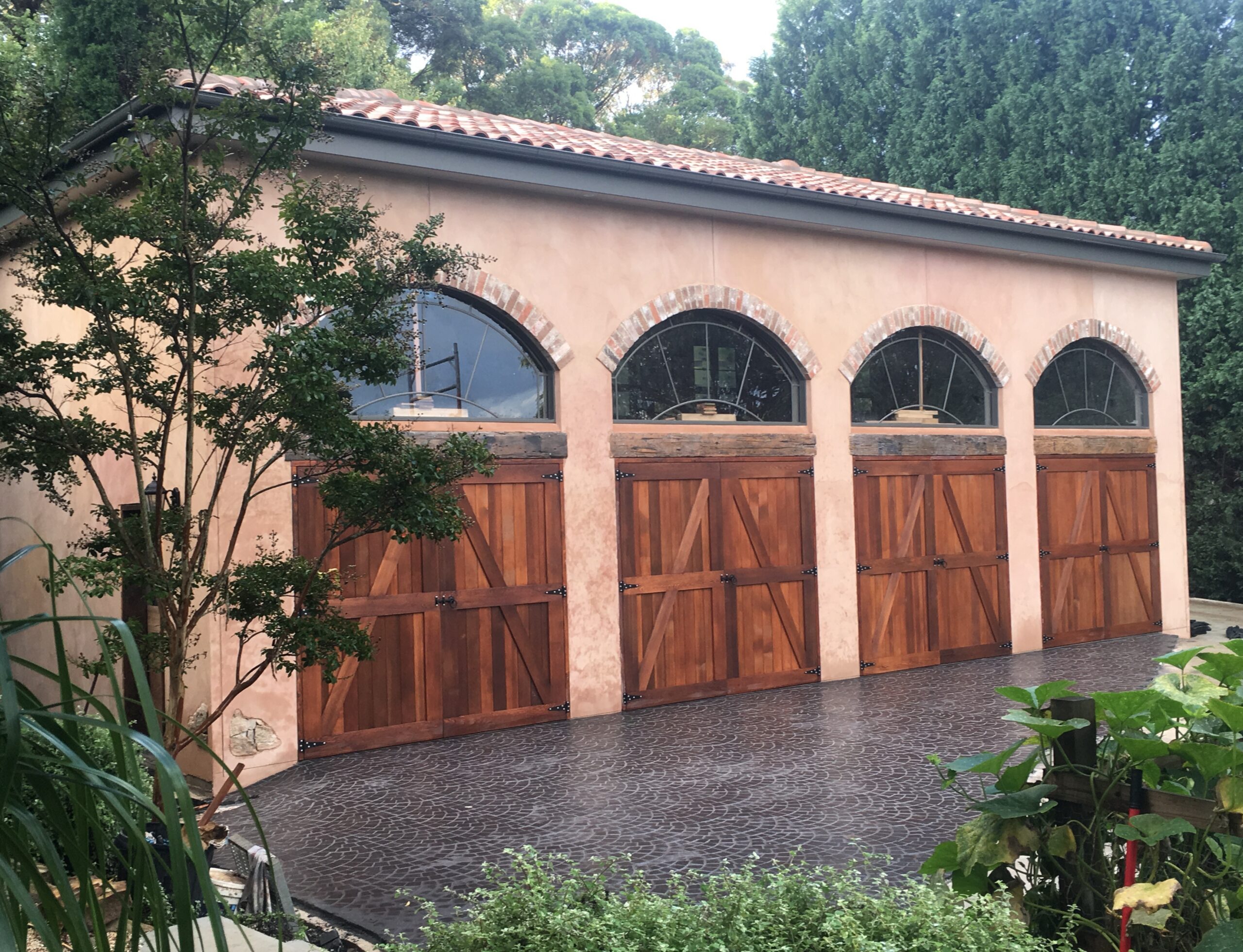
Colour Variation Is Part of Natural Stone
Every natural stone contains some degree of tonal, textural and mineral variation.
Some granites may appear relatively consistent, while quartzite and porphyry products can display broader changes in colour and movement. This variation is not generally considered a fault; it is part of the material’s natural character.
Before ordering, consider:
- how much variation is typical for the stone
- whether samples represent the full range
- differences between current and previous batches
- how the stone appears when wet
- how grout or joint colour will affect the result
- whether several crates should be blended during installation
A single sample should not be treated as an exact representation of an entire natural stone order.
Viewing the product in person and reviewing multiple pieces or current-batch photographs can provide a more realistic understanding of the completed appearance.
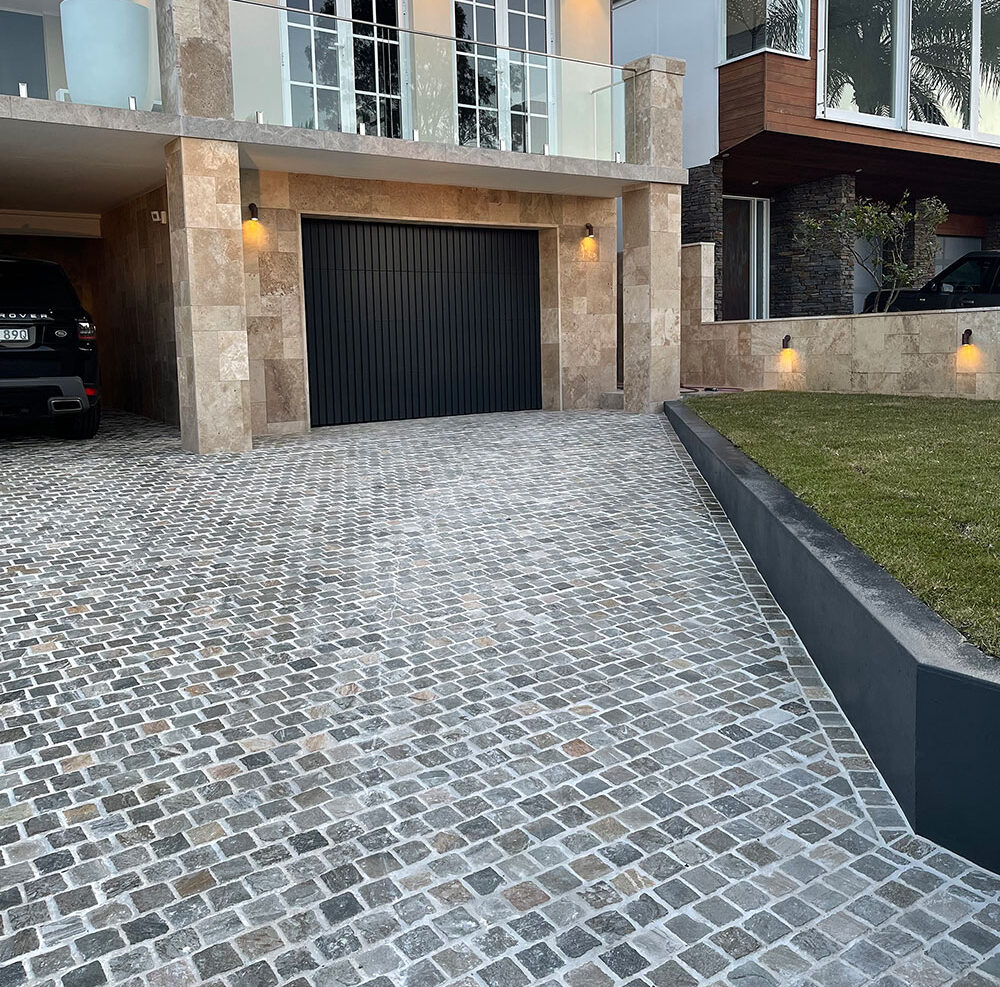
Consider the Grout or Jointing Material
The joint colour can have a significant effect on the finished paving.
A closely matched joint colour may allow the stone to read as one continuous surface. A contrasting joint may emphasise each individual cobblestone and make the pattern more prominent.
The jointing system must also be appropriate for the:
- installation method
- joint width and depth
- traffic conditions
- drainage
- stone type
- external exposure
- maintenance requirements
Some cobblestone sheets contain relatively small spaces between units, while loose cobbles may be installed with broader or more varied joints.
The installer and product supplier should confirm the appropriate materials for the complete system.

Installation Matters as Much as the Stone
Even a strong and durable stone can underperform if it is installed incorrectly.
The installation should account for:
- ground and substrate conditions
- compaction and base preparation
- falls and drainage
- bedding method
- adhesion
- movement requirements
- perimeter and edge restraint
- jointing material
- curing
- vehicle and pedestrian loads
For driveway and commercial applications, the substrate may need to be designed or assessed by an appropriately qualified professional.
Cobblestones should also be drawn from several crates or sheets during installation to distribute natural variation evenly across the area.
An experienced installer will understand how to manage mesh-sheet joins, align patterns, follow curves and achieve consistent joints without making the surface appear overly uniform.
Do Cobblestones Need to Be Sealed?
Whether cobblestones should be sealed depends on the stone, finish, application and expected exposure.
A suitable penetrating sealer may help reduce the absorption of moisture and contaminants, making some spills and marks easier to manage. It can be particularly useful in areas exposed to:
- food and beverages
- oils
- vehicle fluids
- organic debris
- frequent entertaining
- heavy public use
However, sealing does not make natural stone stain-proof or maintenance-free.
The sealer should be suitable for the exact stone and finish, and a test area should be completed before full application. Some products can alter the colour or appearance of the stone.
Sealing requirements should be discussed with the stone supplier, installer and sealer manufacturer. Future resealing should be based on the stone’s condition, exposure and sealer performance rather than following a universal schedule.
Are Cobblestones Low Maintenance?
Natural stone cobblestones can be relatively straightforward to care for when they are correctly specified, installed and maintained.
Routine care may include:
- sweeping or removing loose debris
- cleaning spills promptly
- using a pH-neutral cleaner suitable for natural stone
- avoiding harsh or acidic cleaning chemicals
- monitoring joints and edge restraints
- keeping drainage points clear
- inspecting the surface and sealer periodically
- addressing weeds or organic growth where necessary
Maintenance requirements can vary between a sheltered courtyard and an exposed driveway beneath trees.
A practical maintenance plan should reflect the location, stone type, surrounding landscape and level of use.
How Much Should You Order?
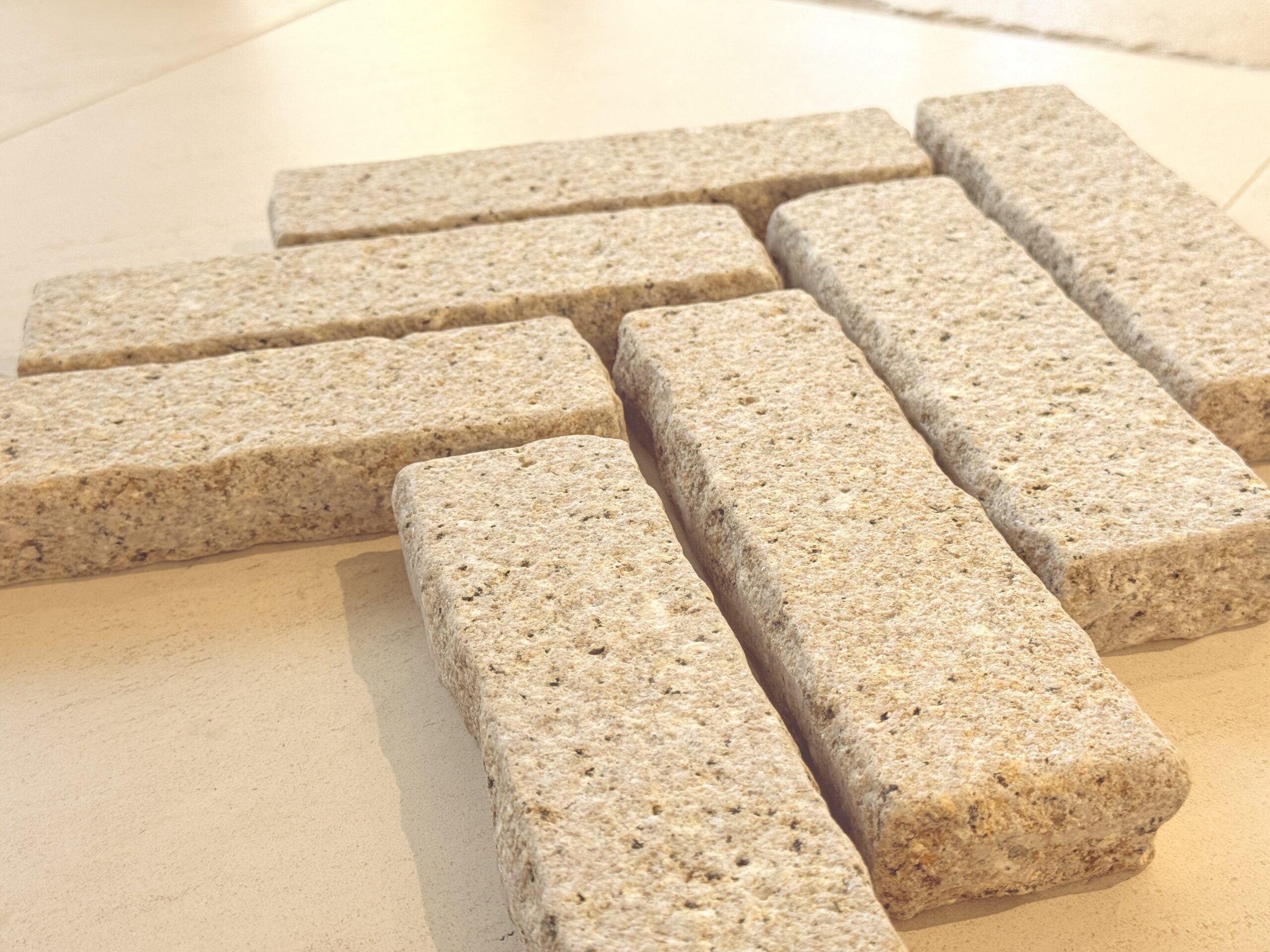
Natural stone is usually ordered with an allowance of 10% above the measured area.
This allows for:
- cutting
- breakage
- pattern requirements
- selection and blending
- site conditions
- future repairs
The appropriate allowance will depend on the cobblestone format and pattern. Straightforward rectangular areas may require less additional material than curved paths, borders or fan layouts.
The installer should calculate the required quantity before the order is finalised.
Where possible, purchase the complete quantity from the same batch. Natural stone supplied at a later date may vary from the original material.
Common Mistakes When Buying Cobblestones
Choosing on colour alone
Appearance is important, but the stone must also suit the application, traffic and installation system.
Assuming every cobblestone is driveway-suitable
Confirm the stone, thickness, dimensions and proposed installation with the supplier and installer.
Treating thickness as the only measure of strength
Thickness matters, but so do the stone type, substrate, unit size and installation quality.
Ignoring the finish
The finish affects appearance, grip and ongoing care. Always confirm the exact finish being supplied.
Relying on one small sample
Natural stone varies. Review multiple pieces, current-batch photographs or a larger display where possible.
Overlooking the joints
Joint width, colour and material can significantly alter both the appearance and performance of the finished surface.
Selecting an installer without relevant experience
Cobblestones require considered preparation, laying and jointing. An installer experienced with natural stone and small-format paving is important.
Ordering only the measured area
Allow for cuts, selection, waste and future repairs.
Failing to check availability
Confirm that the required quantity is available from one batch before committing to the design or installation schedule.

Questions to Ask Before Buying Cobblestones
Before placing an order, ask:
- What type of natural stone is this?
- Is this exact product suitable for my intended application?
- Can it be used for a driveway or vehicle traffic?
- What are its dimensions and thickness?
- Is it supplied loose or on mesh?
- What pattern is used on the mesh sheets?
- What surface finish does it have?
- Has the exact finish been slip tested?
- How much colour and tonal variation should I expect?
- Can I view the current batch?
- Does the stone need sealing?
- What installation method is recommended?
- What jointing material should be used?
- How much extra material should I allow?
- Is the full quantity available from one batch?
- Are matching or complementary pavers available?
- What cleaning and maintenance products are suitable?
Clear answers to these questions will make it easier to compare products fairly and choose a cobblestone suited to the complete project—not only its appearance.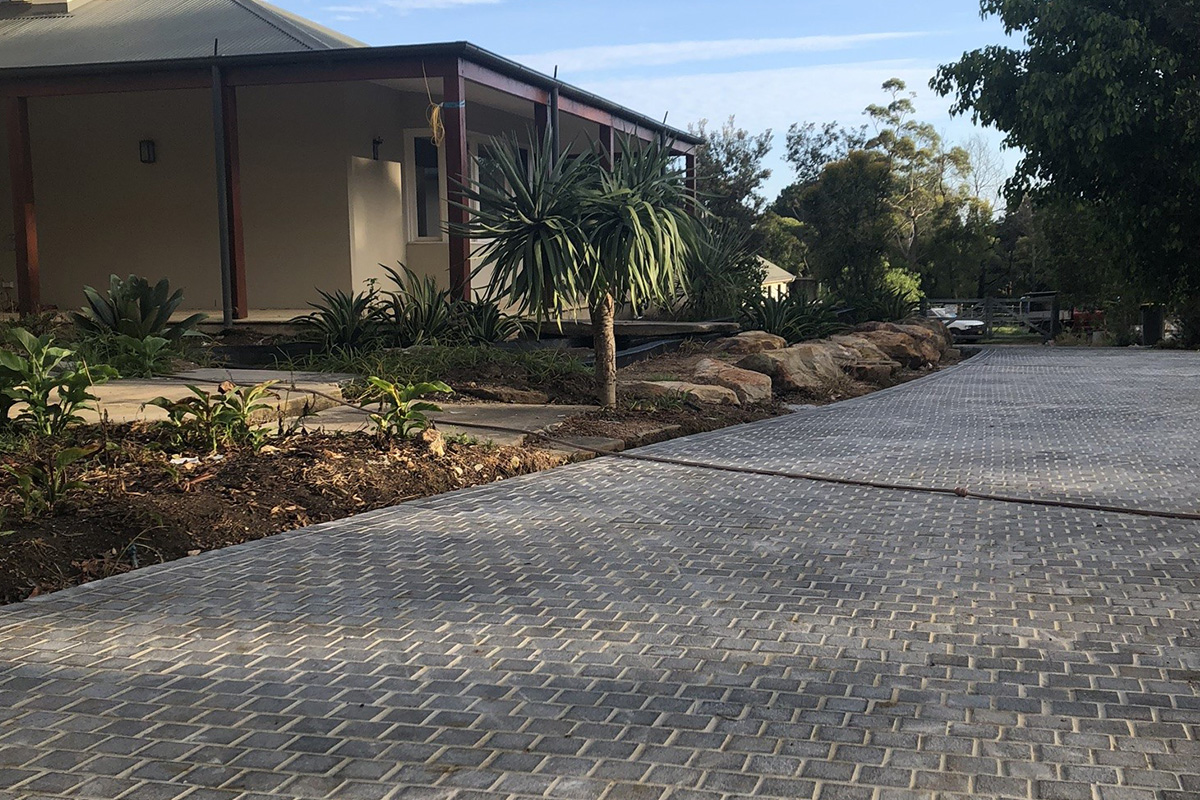
Choosing Natural Stone Cobblestones from Sareen Stone
Sareen Stone offers a curated range of natural stone cobblestones for residential and commercial landscapes, including square and rectangular granite cobbles, tumbled formats and Italian porphyry options.
The range includes products suited to applications such as driveways, pathways, courtyards, garden borders and detailed landscape paving.
Current options include:
- Charcoal Granite Cobblestones
- Charcoal Granite Rectangle Cobblestones
- Silhouette Grey Granite Cobblestones
- Silhouette Granite Tumbled Cobblestones
- Desert Sand Granite Cobblestones and Batons
- Porphyry cobblestones and Filetti
Product formats and availability can change, so the exact dimensions, finish, slip rating and application suitability should be confirmed when specifying.
Samples can help establish the general colour and texture, while a showroom visit provides an opportunity to compare formats, finishes and natural variation across a broader selection.
The best cobblestone choice is one that responds to the architecture, landscape and practical demands of the project. When stone selection, technical specification and installation are considered together from the beginning, cobblestones can deliver an enduring and highly distinctive surface.