Why Natural Stone Doesn't Match — And Why That's a Good Thing
One of the most common questions asked by homeowners, builders and designers is:
"Why doesn't my natural stone look exactly like the sample?"
The short answer is simple.
Because it's natural stone.
Unlike manufactured products such as porcelain, engineered surfaces or laminate finishes, natural stone is formed over thousands of years through geological processes. Every piece is unique, with its own colour variation, veining, mineral deposits, texture and character.
In fact, the very qualities that make natural stone desirable are the same qualities that make every piece different.
No Two Pieces Are the Same
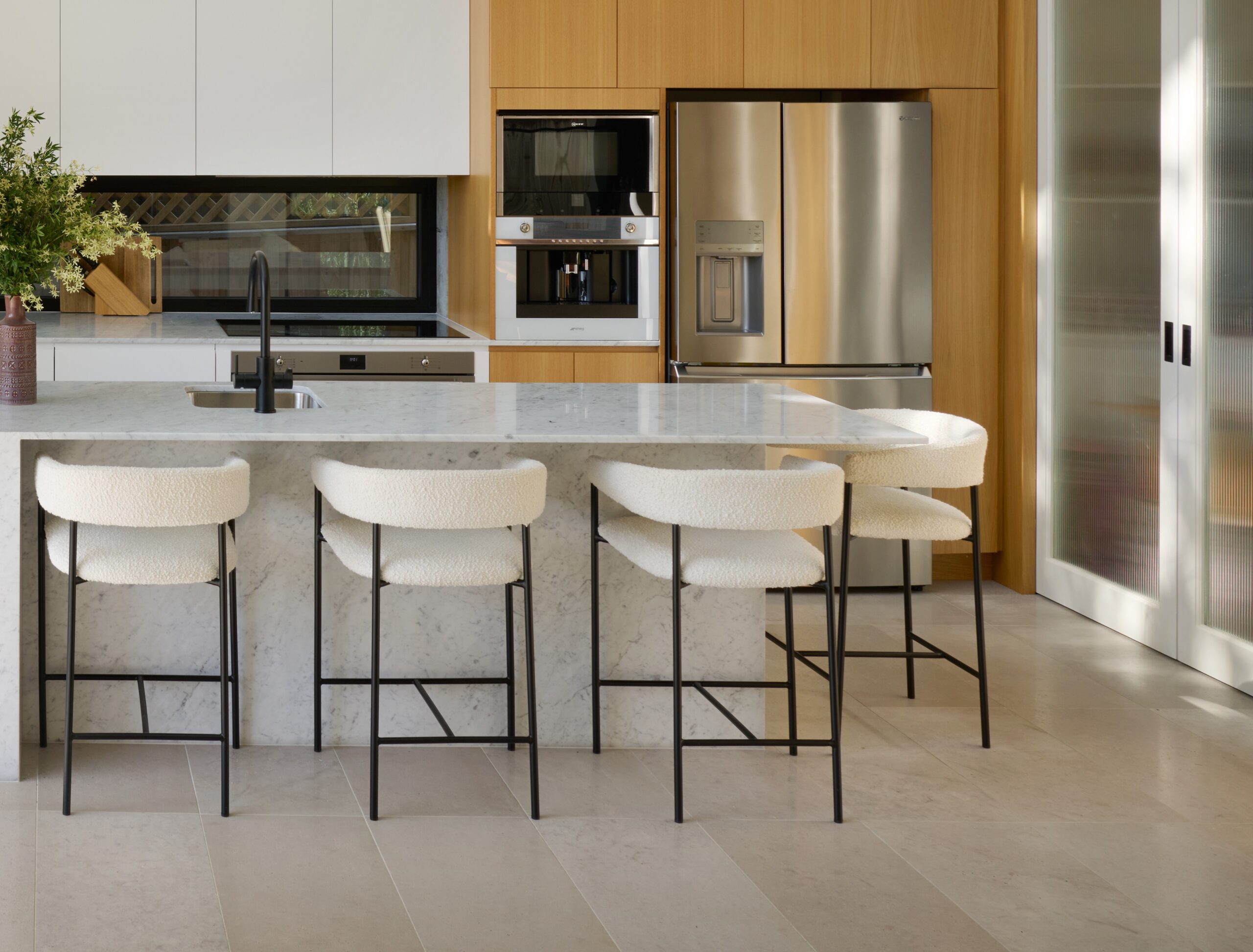 Natural stone is not manufactured to a formula.
Each block extracted from a quarry contains its own unique characteristics. Even blocks sourced from the same quarry can vary in colour, movement and overall appearance.
As natural stone is a product of nature, variation between blocks and production runs should always be expected.
Rather than seeking identical pieces, the goal is to achieve a balanced and cohesive blend across the installation.
This variation is what gives natural stone its authenticity, depth and individuality.
Why Is the Sample Different to the Material I Received?
This is another question we hear regularly.
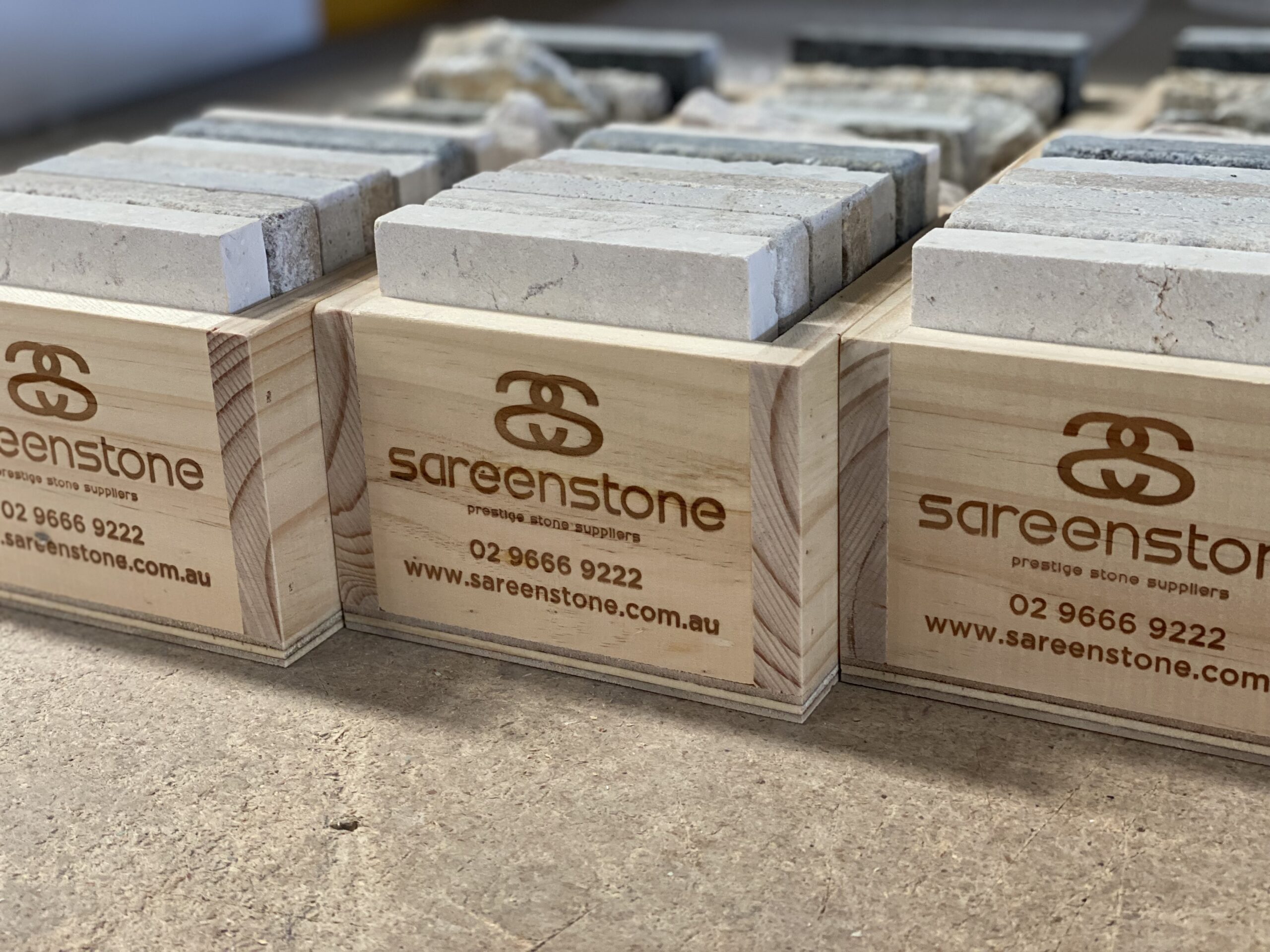
A sample is intended to provide an indication of:
- General colour
- Surface finish
- Texture
- Material character
What a sample cannot do is represent every piece within a larger installation.
In many cases, the sample and supplied material may have been cut from completely different blocks of stone.
This is normal within the natural stone industry and should be expected.
For this reason, samples should be viewed as a guide rather than an exact representation of every tile or paver that will be supplied.
Understanding Natural Variation
Variation can occur in many forms, including:
Colour Variation
Natural differences in mineral composition can create subtle or significant changes in colour.
Veining and Movement
Some stones contain pronounced veining and natural movement, while others appear more uniform.
Fossils and Mineral Deposits
Many limestones and travertines contain fossil markings, shells and mineral deposits formed naturally within the stone.
Surface Texture
Natural stone can contain subtle differences in texture, even when processed using the same finish.
These characteristics are not considered defects. They are part of what makes natural stone unique.
Natural Stone Is Designed to Blend, Not Match
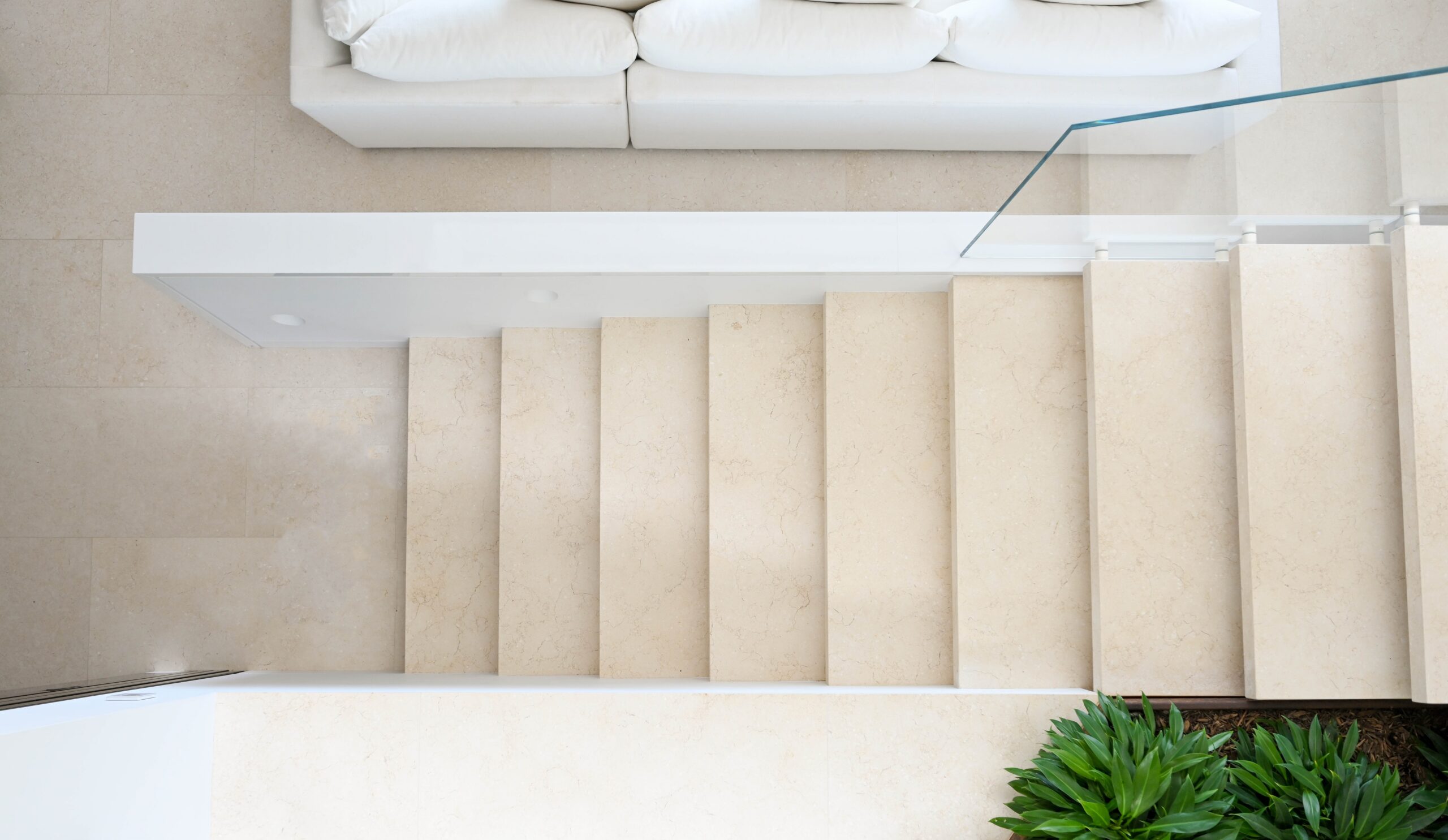
Perhaps the most important concept to understand is that natural stone is selected and installed to create a cohesive blend rather than an exact match between individual pieces.
When laying natural stone, installers will often draw from multiple pallets and mix material throughout the installation to achieve a balanced result.
The objective is not uniformity.
The objective is harmony.
This blending process allows the natural variation within the stone to work together and create a finish that feels authentic and visually balanced.
Why Variation Is a Good Thing
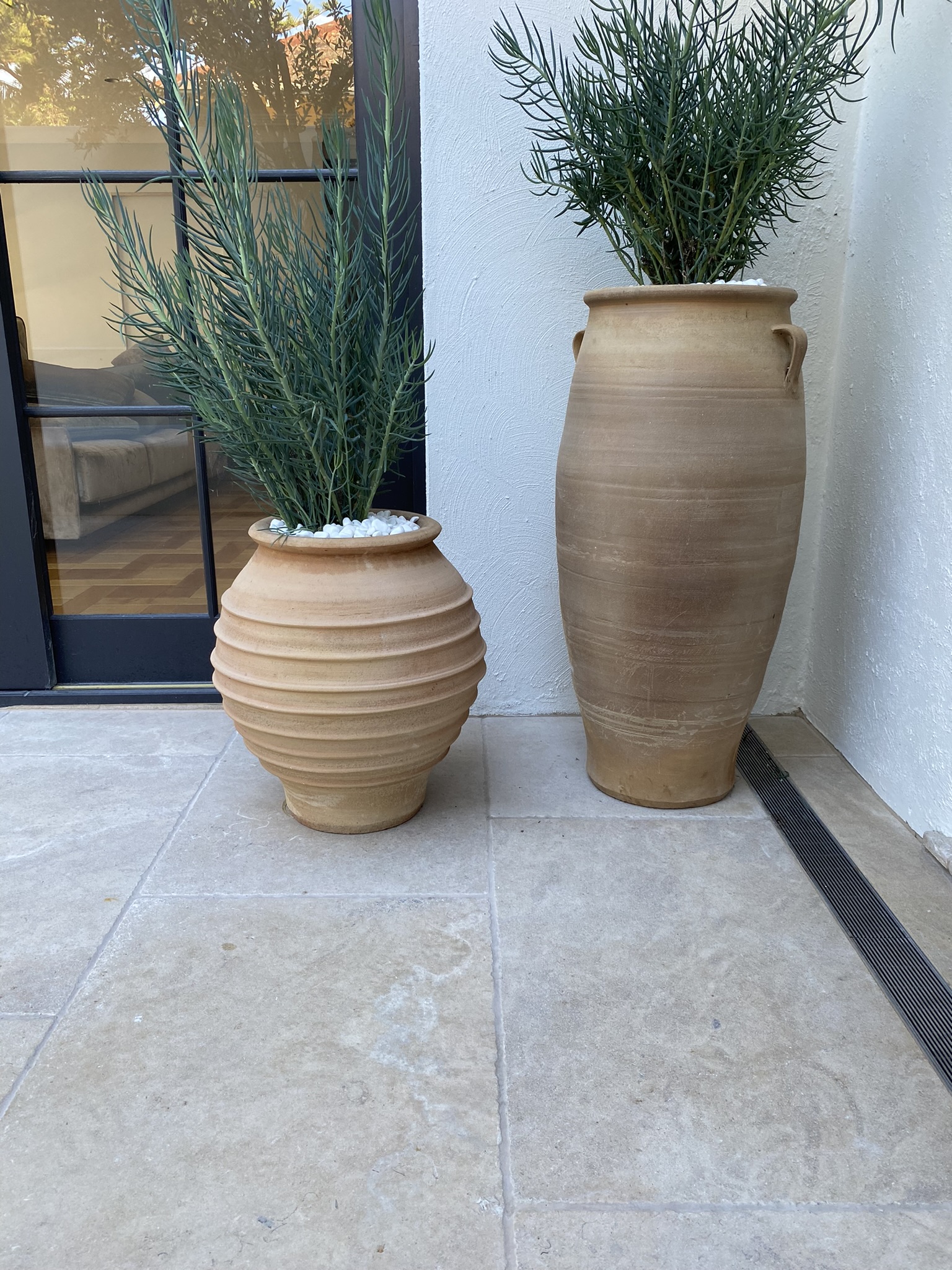
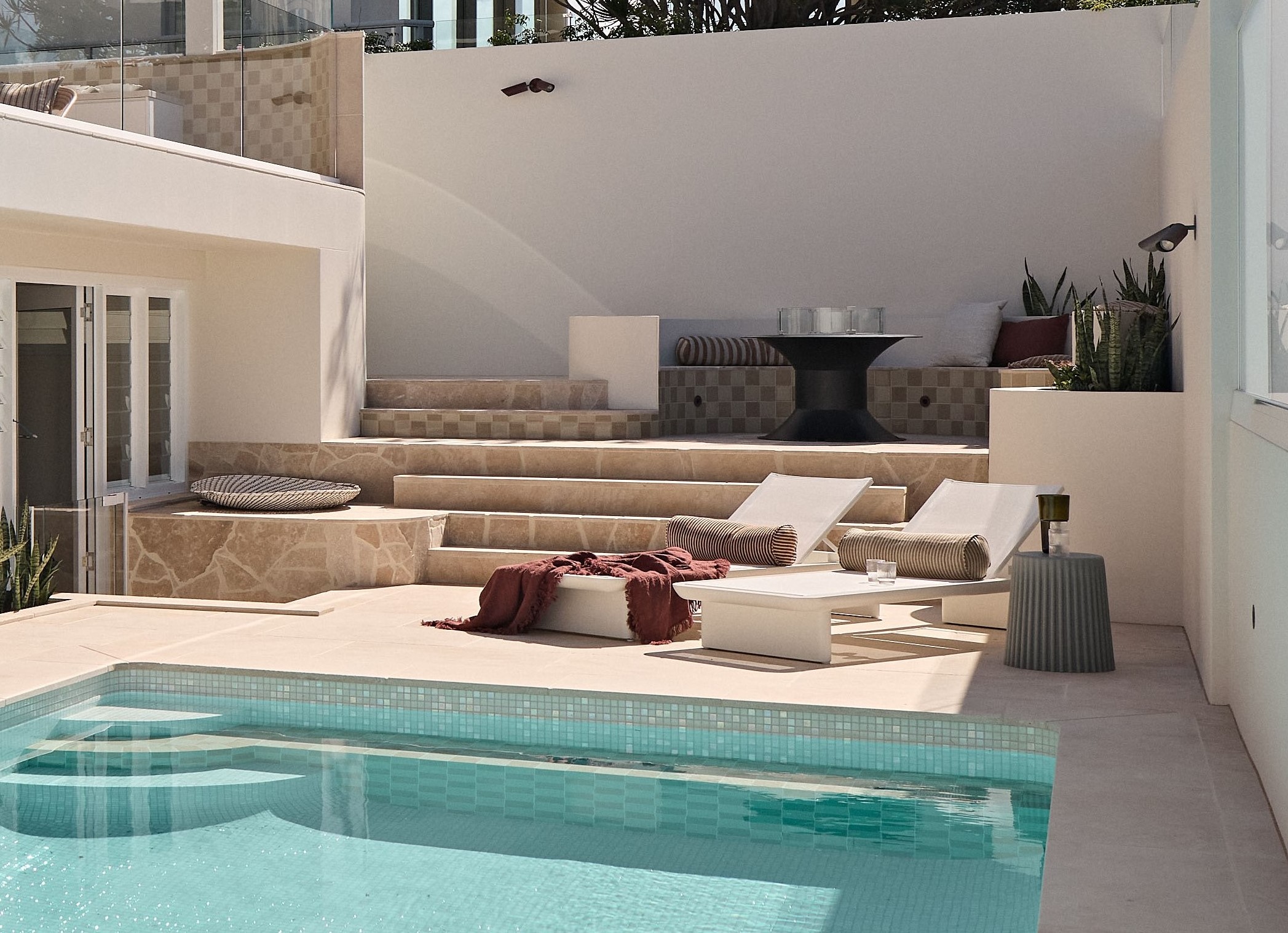
Many of the world’s most admired architectural and landscape projects feature natural Sydney stone with significant variation.
Why?
Because variation creates:
- Depth
- Warmth
- Character
- Authenticity
- Visual interest
Without variation, natural stone would lose much of what makes it special.
The subtle shifts in tone, texture and movement are what give the material its enduring appeal.
Viewing Stone in Person
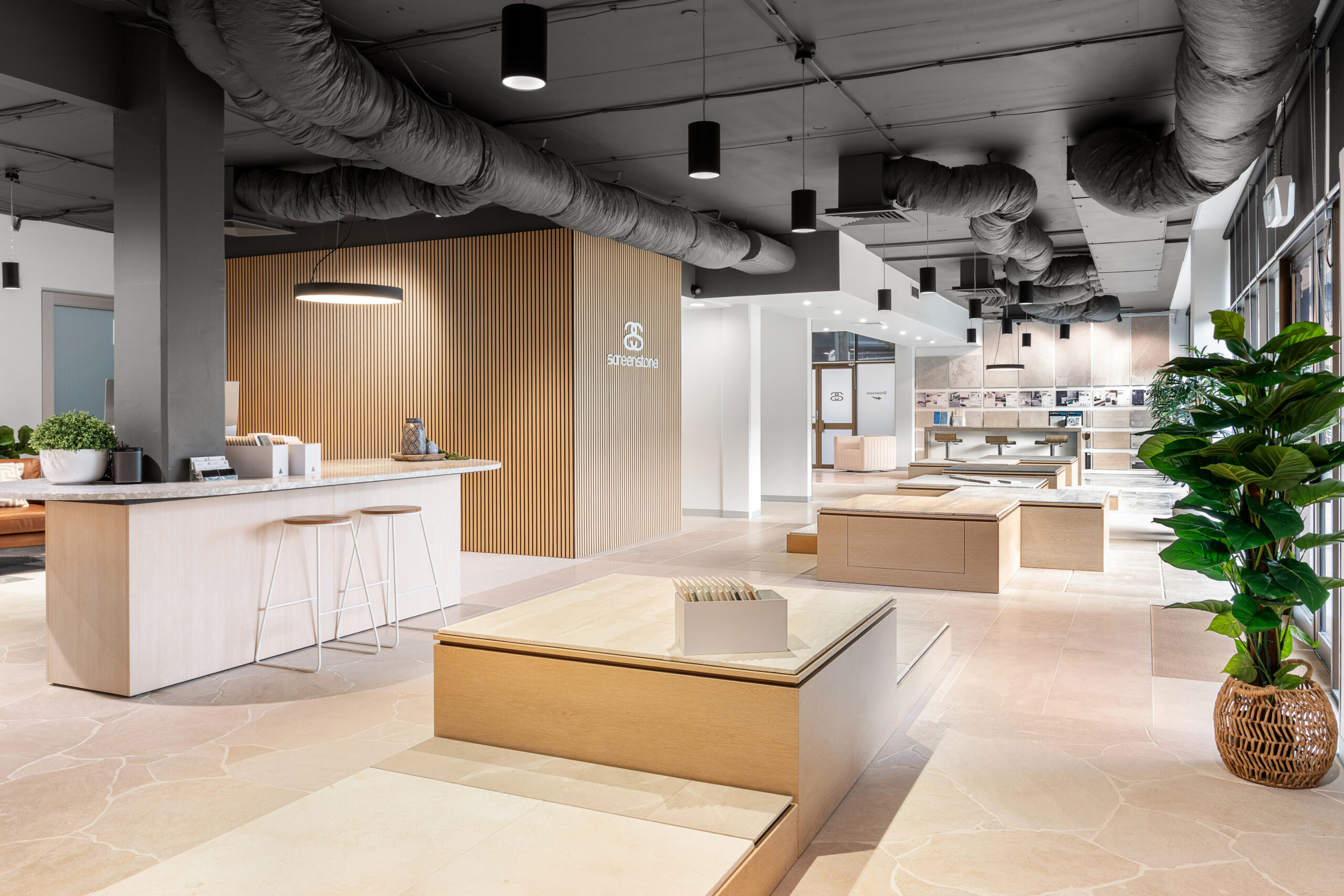
Whenever possible, we recommend viewing natural stone in person before making a final selection.
Larger samples, installed projects and full-sized material displays provide a much better understanding of the overall character of the stone than small samples or online imagery alone.
This can help set realistic expectations and provide greater confidence in the selection process.
Final Thoughts
Natural stone is valued precisely because it is not identical.
Its variation, character and individuality are what distinguish it from manufactured materials.
Understanding and embracing these natural differences is an important part of the selection process and often leads to the most successful outcomes.
Rather than expecting every piece to match perfectly, consider how the material works together as a whole.
Variation is normal. Blending is intentional. Difference is not defect.
FAQs
Why doesn’t my natural stone match the sample?
Natural stone is a product of nature. Samples provide an indication of colour, texture and finish, but every block of stone contains natural variation that cannot be fully represented by a single sample.
Is colour variation in natural stone normal?
Yes. Colour variation is one of the defining characteristics of natural stone and occurs naturally due to differences in mineral composition and geological formation.
Should natural stone match perfectly?
No. Natural stone is selected to create a cohesive blend rather than an exact match between individual pieces.
Why do installers blend natural stone?
Installers often draw material from multiple pallets to distribute variation evenly across the installation, creating a balanced and natural appearance.
Is variation considered a defect?
No. Natural variation in colour, veining, fossils and texture is an inherent characteristic of genuine natural stone and is not considered a defect.
Why should I view natural stone before purchasing?
Viewing natural stone in person provides a better understanding of its colour variation, texture and overall character than photographs or small samples alone.