Commercial Stone Selection: Performance Meets Design
A practical guide for specifiers and designers
Commercial stone specification is not simply a design decision - it is a performance strategy.
In commercial environments, materiality may establish the architectural language, but compliance, durability and long-term maintenance ultimately determine whether a project performs as intended.
For architects and designers working across hospitality, retail, multi-residential and civic projects, understanding how slip resistance, durability, finish and maintenance interact is critical. The right stone can deliver visual impact and operational resilience — when specified correctly.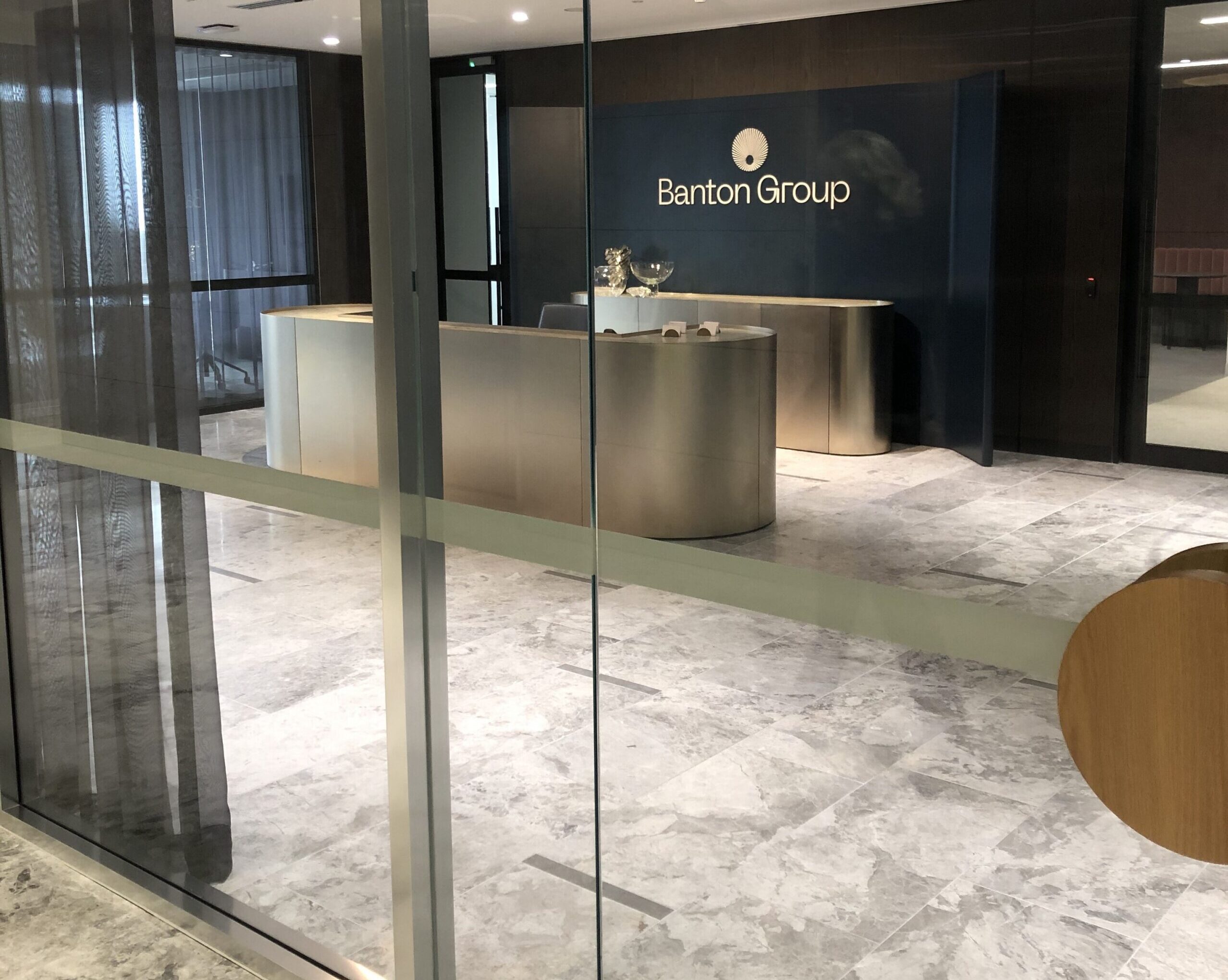
Slip Ratings & Safety: Understanding Compliance
Slip resistance is one of the first technical considerations in commercial stone selection. In Australia, the preferred standard is the P-rating system under AS 4586.
P-ratings are determined using wet pendulum testing and reflect real-world conditions under both barefoot and shod traffic. They are now the benchmark for:
- External paved areas
- Pool surrounds
- Entry zones
- Wet and high-traffic public spaces
For many external commercial applications, a P4 or P5 rating is typically required.
R-ratings (DIN 51130), derived from European ramp testing, still appear on some data sheets but are secondary to P-ratings in Australian compliance contexts.
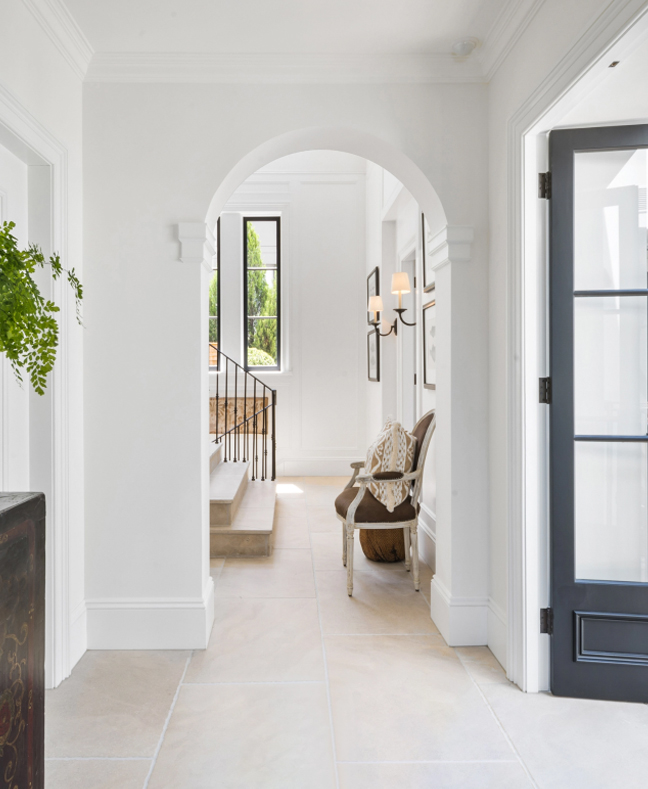
Importantly, slip performance is not inherent to the stone alone — it is the combination of material and finish that determines compliance. Honed finishes are generally suited to internal dry areas, while flamed, sandblasted or alfresco finishes commonly achieve P4–P5 ratings for outdoor use.
Early consultation ensures finishes align with both safety requirements and design intent.
Durability & Performance: Matching Stone to Environment
Commercial projects demand materials that withstand sustained traffic and environmental exposure.
Granite is among the most durable natural stones available. Its density and low porosity make it ideal for hotel lobbies, external paving and public spaces.
Dense limestones perform exceptionally well when properly specified, offering longevity for internal floors and external terraces.
Travertine suits hospitality environments where warmth and texture are desired, provided filling and sealing are correctly managed.
Marble is best reserved for lower-impact applications such as wall cladding or controlled interiors due to its relative softness and susceptibility to etching.
Successful specification depends on matching the stone’s durability and porosity to the intensity of use, exposure conditions and maintenance capacity of the project.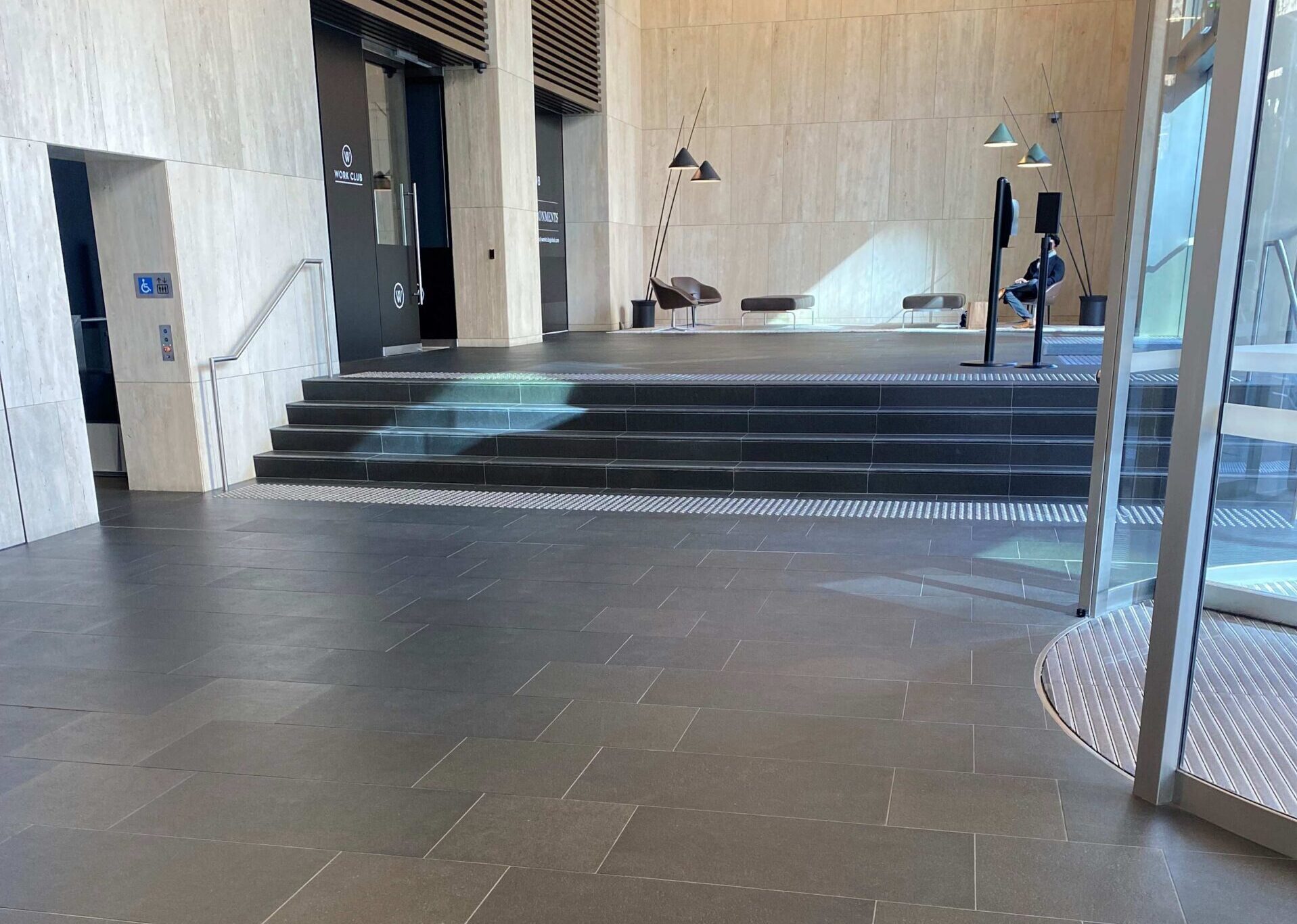
Finishes: Where Design Meets Function
Finish selection plays a critical role in commercial specification, directly influencing slip resistance, durability and long-term maintenance.
While the stone type provides structural integrity, it is the finish that determines how the surface performs underfoot and weathers over time.
Common commercial finishes include:
- Honed – suited to internal environments requiring a refined, matte appearance.
- Sandblasted or brushed – often selected for transitional or external areas where increased grip is required.
- Flamed, tumbled and sandblasted, or alfresco finishes – typically specified for outdoor applications requiring higher slip ratings.
- Textured cladding finishes – designed for vertical surfaces, adding depth without performance concerns underfoot.
Design continuity is often achieved by specifying the same stone in different finishes, honed internally and textured externally, maintaining aesthetic cohesion while meeting compliance requirements.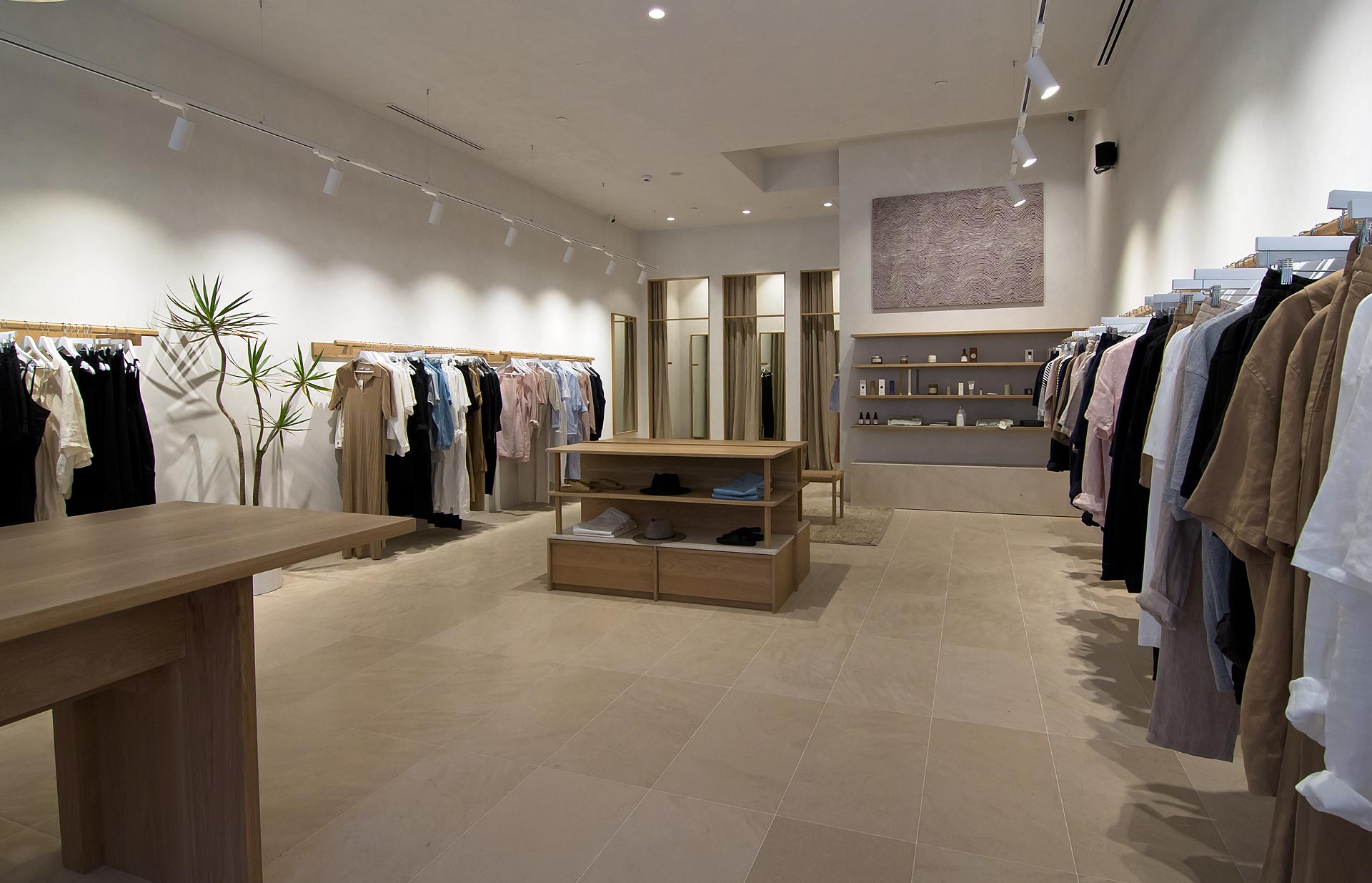
Common Commercial Applications
Across hospitality, multi-residential and civic projects, natural stone is commonly specified for:
- Hotel and office lobbies – dense limestone or granite in honed finishes for durability and visual impact.
- Outdoor plazas and terraces – textured granite or limestone achieving P4–P5 slip ratings.
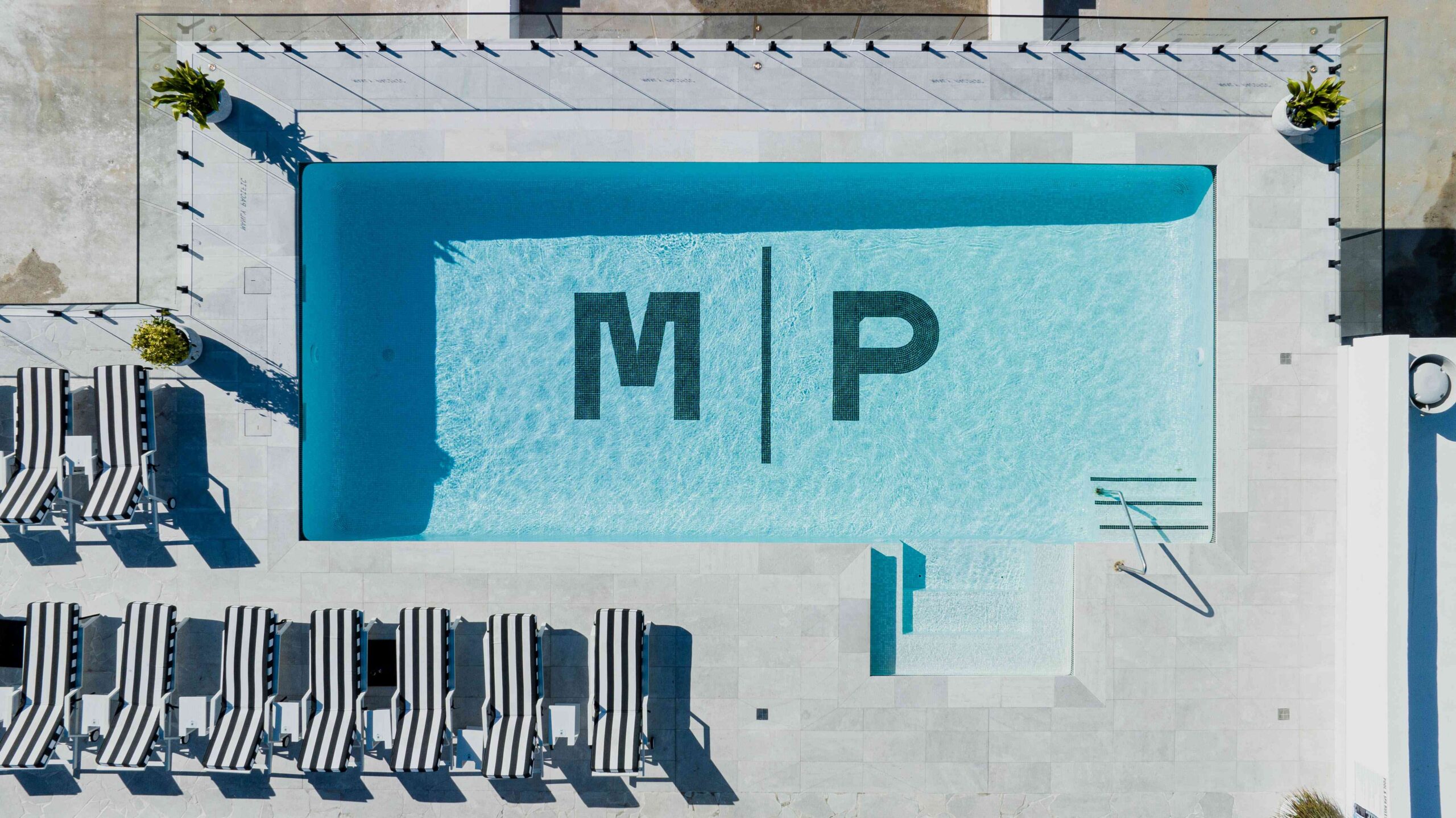
- Pool surrounds – alfresco or sandblasted limestone and travertine for barefoot safety.
- Facades and feature walls – textured cladding stones providing architectural depth.
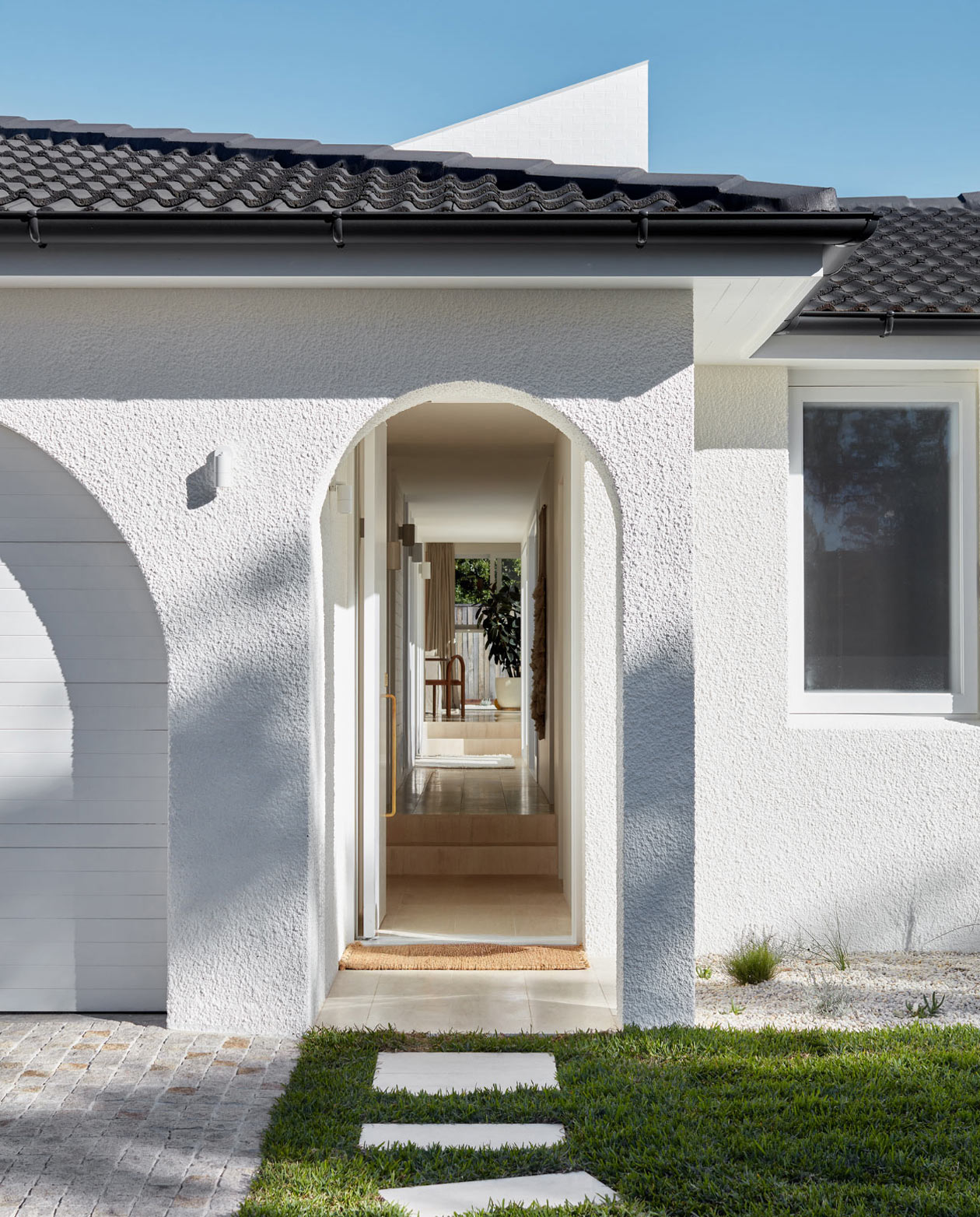
- Driveways and entries – granite cobblestones or pavers selected for load-bearing performance.
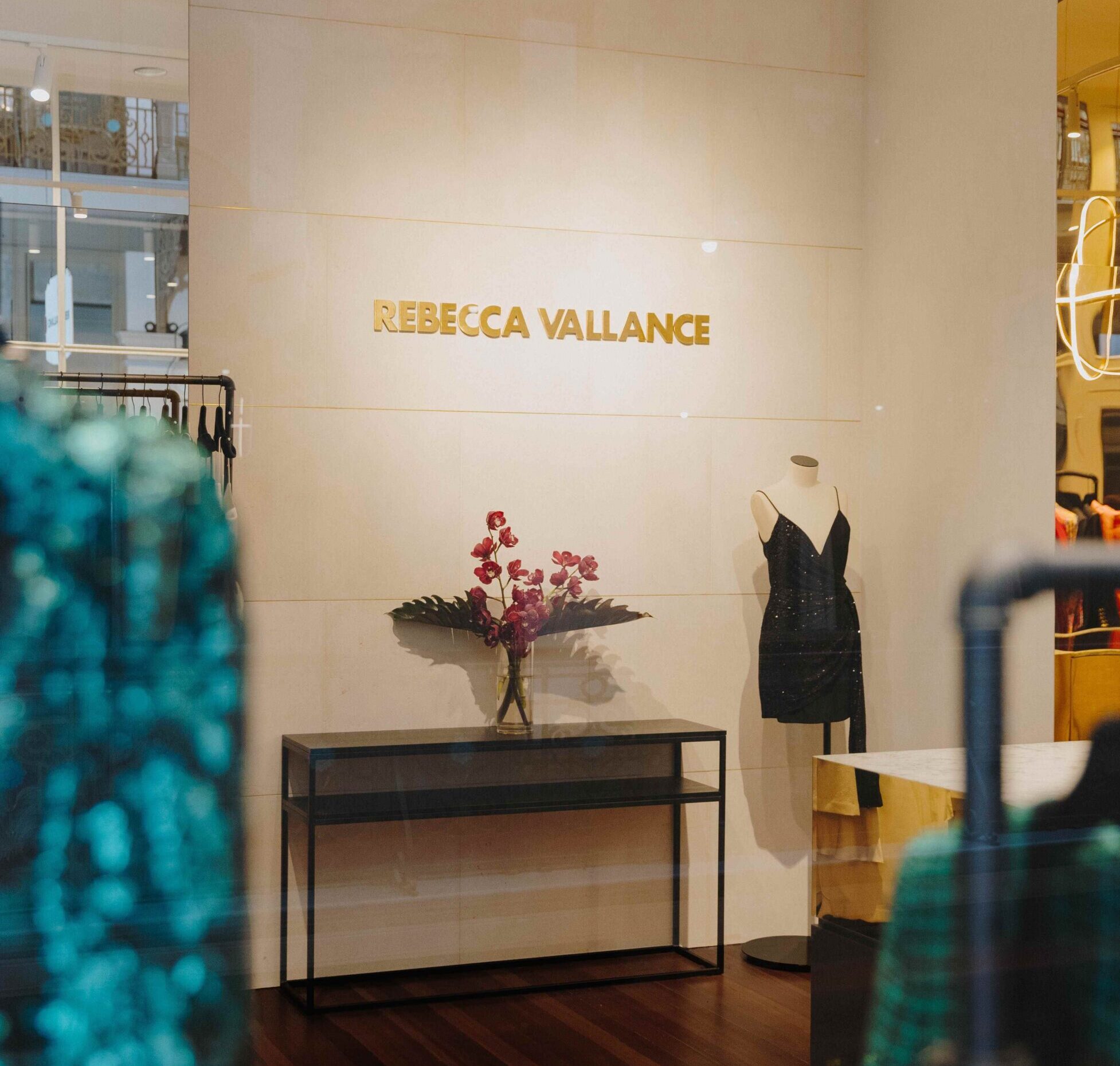
In each application, the most successful outcomes are achieved when aesthetic intent and technical performance are considered simultaneously from the outset.
Maintenance: Planning for Longevity
All natural stone requires maintenance, though the regime varies.
Sealing frequency depends on porosity, traffic intensity and exposure. In high-traffic commercial areas, sealing may be required every one to three years, while lower-use internal spaces may extend longer.
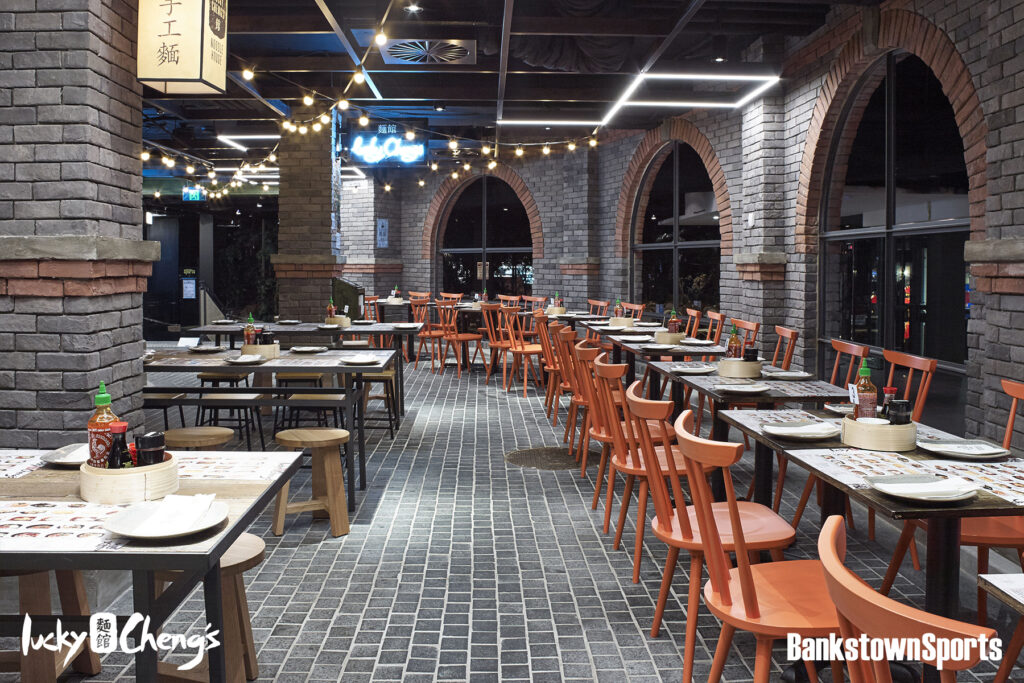
Granite generally requires less frequent maintenance due to its density. Limestones and travertines benefit from regular inspection and sealing. Where reduced maintenance is a priority, porcelain alternatives may be appropriate in heavily trafficked retail environments.
The key is not to avoid maintenance, but to plan for it at specification stage.
What Specifiers Can Overlook
Even experienced designers can underestimate how significantly finish selection affects slip compliance and long-term wear. A material may appear suitable aesthetically, yet without consideration of wet conditions, cleaning regimes or sustained foot traffic, performance can be compromised over time.
Installation quality and substrate preparation are equally critical. Stone is only as durable as the system supporting it. Early engagement with suppliers allows for compliance review, performance testing and application-specific guidance — avoiding costly revisions later.
Performance and Design Are Not Competing Priorities
Commercial stone selection is not a trade-off between aesthetics and durability. When correctly specified, natural stone delivers architectural presence, compliance and long-term resilience.
For specifiers and designers, the goal is not simply to choose a beautiful material — but one that performs as well as it looks.