Stone and Salt Water Pools

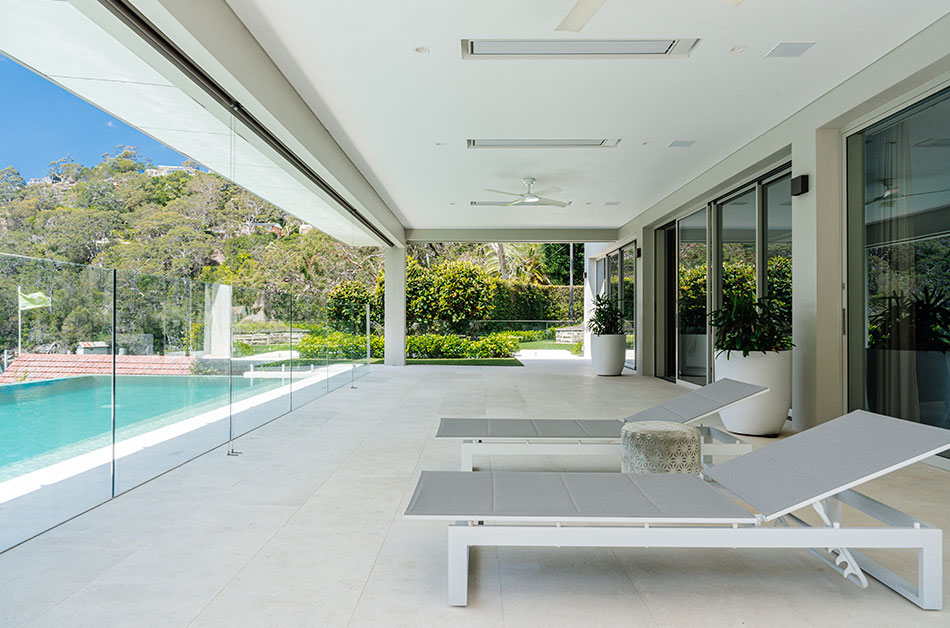
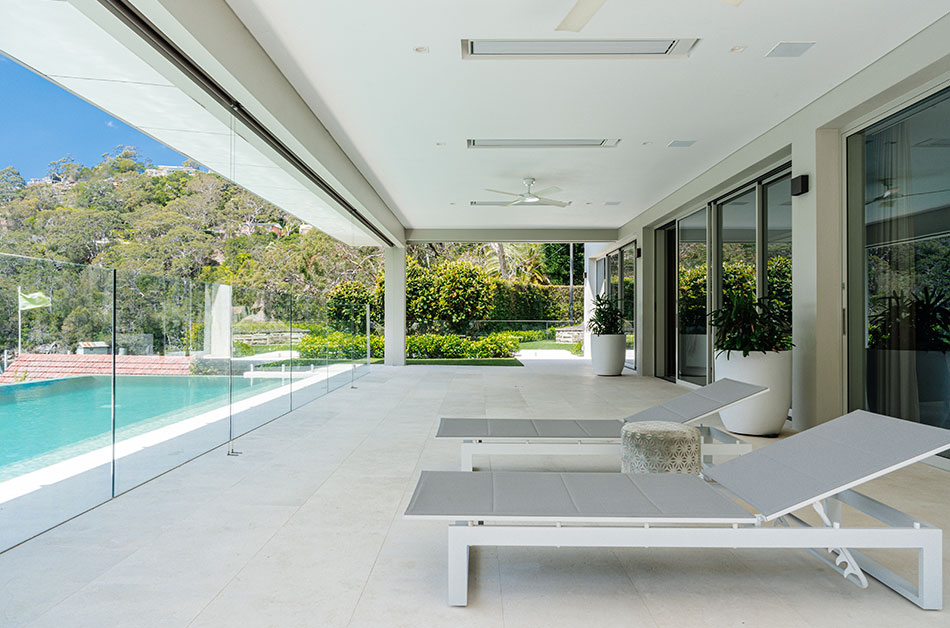
Salt water pools are the pool of choice in Australia. When it comes to protecting your pool, natural stone pool coping and surrounds such as sandstone, granite, limestone or travertine are both beautiful and functional. However, care needs to be taken for your stone pool surrounds of a saltwater pool as stone is porous and salt is a corrosive agent that can be particularly damaging if it penetrates the stone.

If salt penetrates the stone it will crystallise and expand causing pitting, spalling and possibly cracking of the stone.

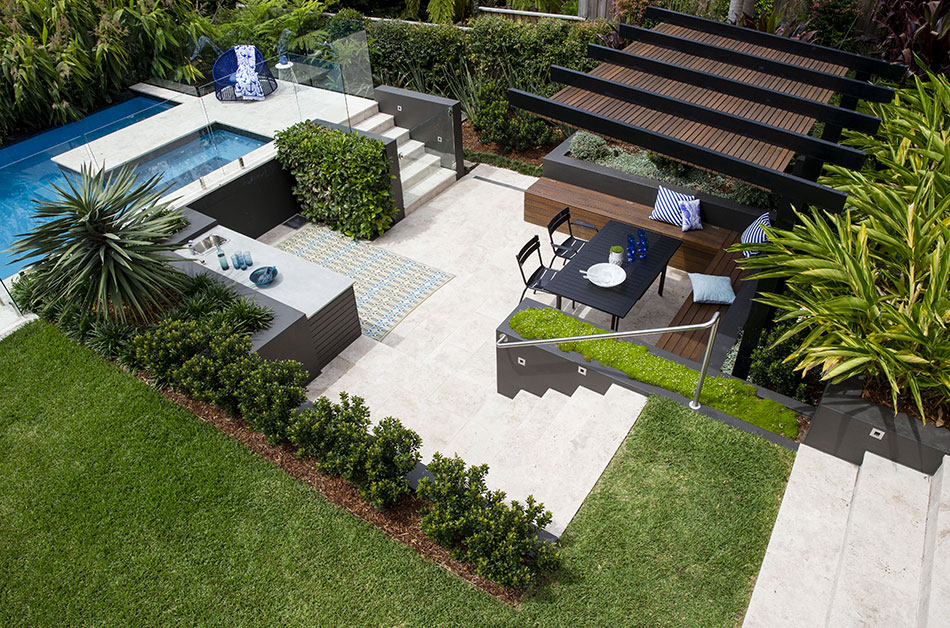
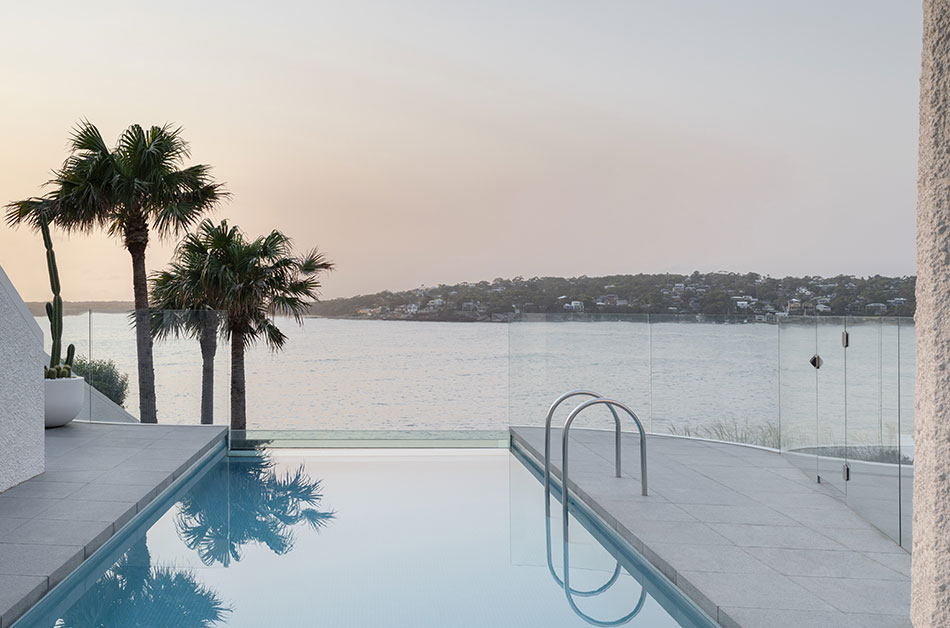
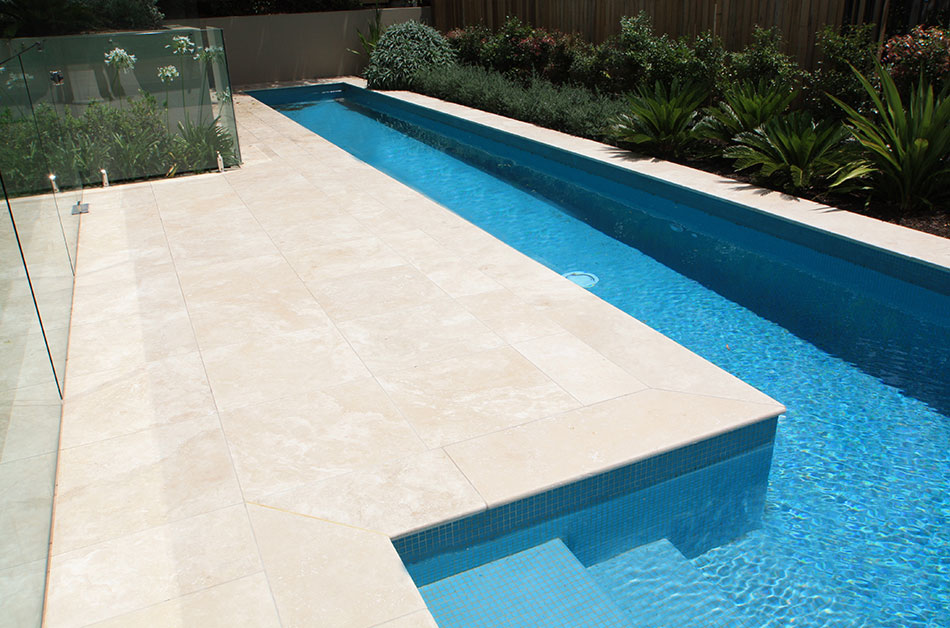
Castle Cove Residence

    • Client / Architect / Designer : Landart
    • Location: Castle Cove
    • Publication Name: House & Garden
    • Publication Date: 2017
    • Project Link:   House & Garden

New Drop Downs Make a Splash

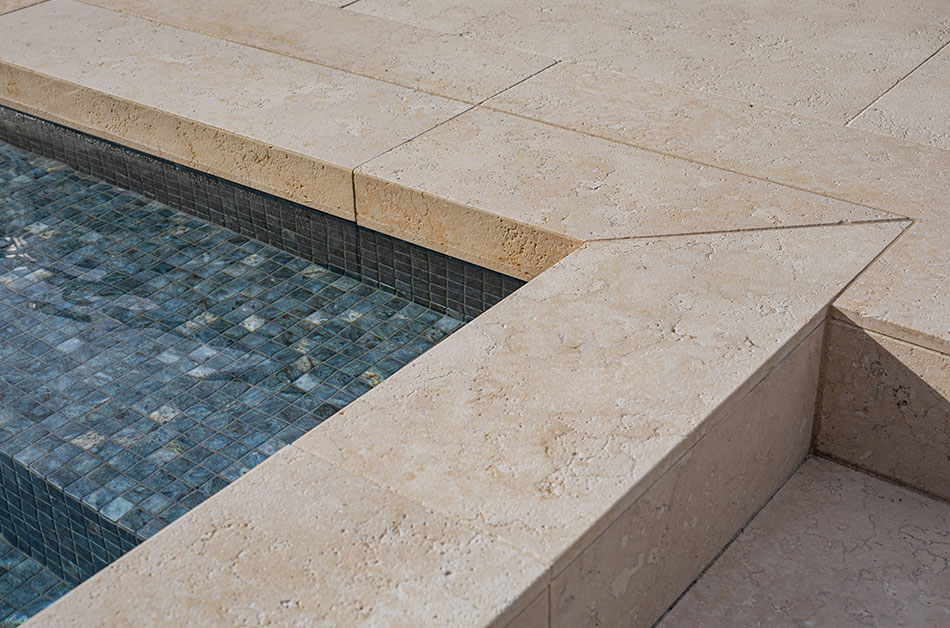
A number of landscapers and architects have now discovered the benefits of installing Sareen Stone’s innovative dropdown pavers and as a result our new dropdowns are certainly starting to make a splash!

Supplied in one piece of stone, this exciting and innovative pool coping and step tread is a real time saver for landscapers and builders.

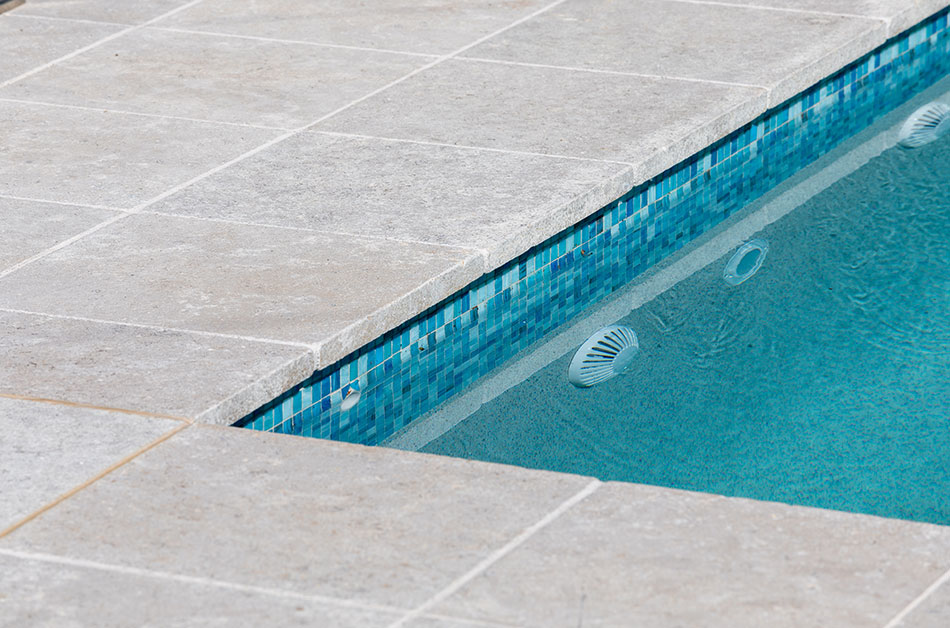
The dropdown edge pool coping and step tread is cut from one block of stone. This means a joint is unnecessary between the body of the paver and the dropdown edge saving time in cutting and grouting.

Four products are now available in Sareen Stone’s dropdown range:

  • First Choice Classic Travertine Tumbled 
  • Silhouette Grey Granite
  • Charcoal Grey Granite
  • Silver Ash Travertine

The new dropdowns come in finishes perfect for outdoor areas and pool surrounds. They also make a great solution to help conceal any discolouration left by a previous waterline tile when refurbishing an existing pool. Being a solid piece of stone, the result is a strong architectural look for the popular modern rectangular shaped pool.

Transform Your Natural Stone

STONTECH Enhancer Pro is a sealer for natural stone with a textured, tumbled, honed or flamed finish. It can be used on limestone, slate, travertine, granite, marble, basalt/bluestone, sandstone and cobblestones. StoneTech Enhancer Pro can also be used on grout, masonry and concrete. It is perfect for high traffic areas in both commercial and residential projects.

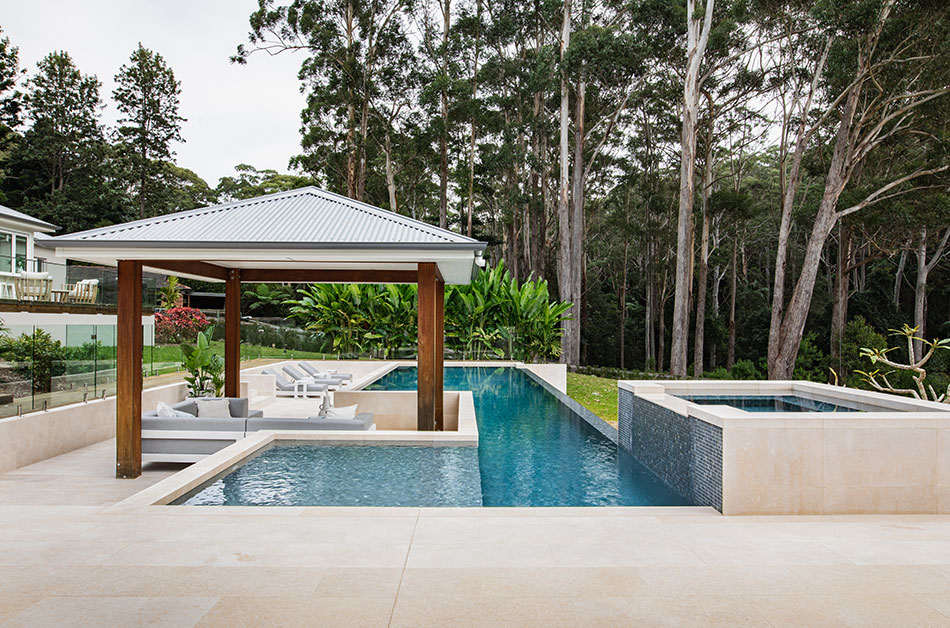
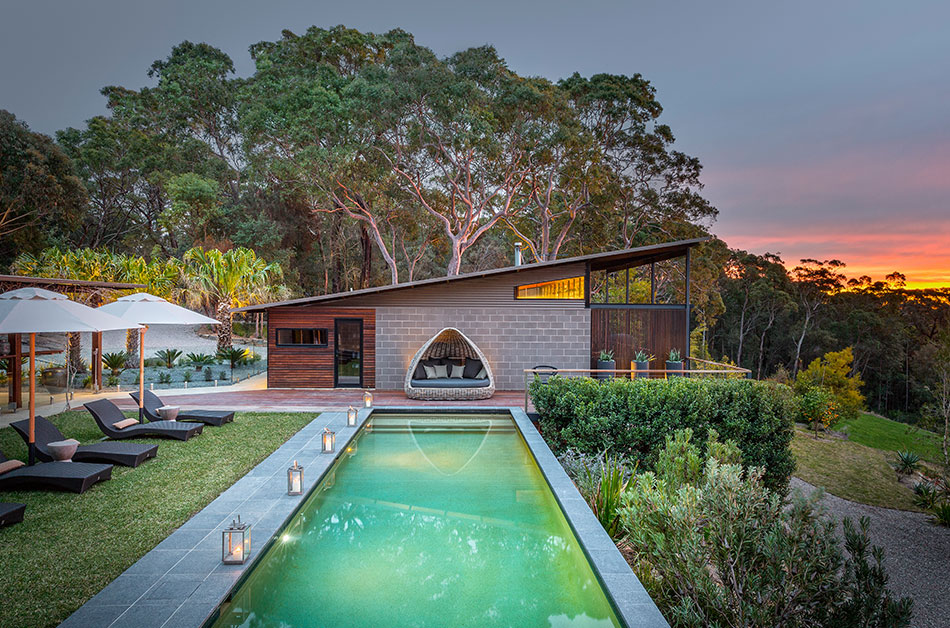
Spicers Sangoma Retreat

    • Client / Architect / Designer : Barbara Tarnawski Architects | Urban Rural Design
    • Location: Blue Mountains
    • Publication Name: Co-Architecture
    • Project Link:   https://site.co-architecture.com/

The Importance of Maintaining Your Stone

Inevitably spills will happen so remember time is of the essence when it comes to cleaning & protecting your stone. However, that doesn’t mean you shouldn’t be able to enjoy your beautiful stone for years to come.

Inevitably spills will happen so remember time is of the essence when it comes to cleaning & protecting your stone. However, that doesn’t mean you shouldn’t be able to enjoy your beautiful stone for years to come.

The 3 [Important] Reasons Why You Need Pool Coping

Essentially pool coping is the cap for a pool’s edge and is an important consideration when planning to build your pool. Pool coping is the first round of tiles or pavers that encircles your pool. The pool coping is laid out to the bond beam & from there your paving, tiles or decking can then be installed.

Below, we discuss why you need pool coping; the various types of natural stone pool coping; pool coping finishes; sizing of pool coping and how to protect your coping.

Pool Coping is essential for the following 3 reasons:


  1. Protection – pool coping offers protection to the pool shell. Water splashes hit the coping and are directed away from the pool itself, protecting the integrity of the pool and improving its potential lifespan.
  2. Safety – the pool coping makes for a smoother & safer entry into or exit from the pool.
  3. Decoration & Style – aesthetically the pool coping will add beauty and style to your pool landscape.

Pool Heating Options to Extend Your Swim Season

Your pool is a big investment. At best, many of us only get 50% of the year to use it. How to heat your pool to extend your swim season, will essentially come down to answering the following 3 questions.
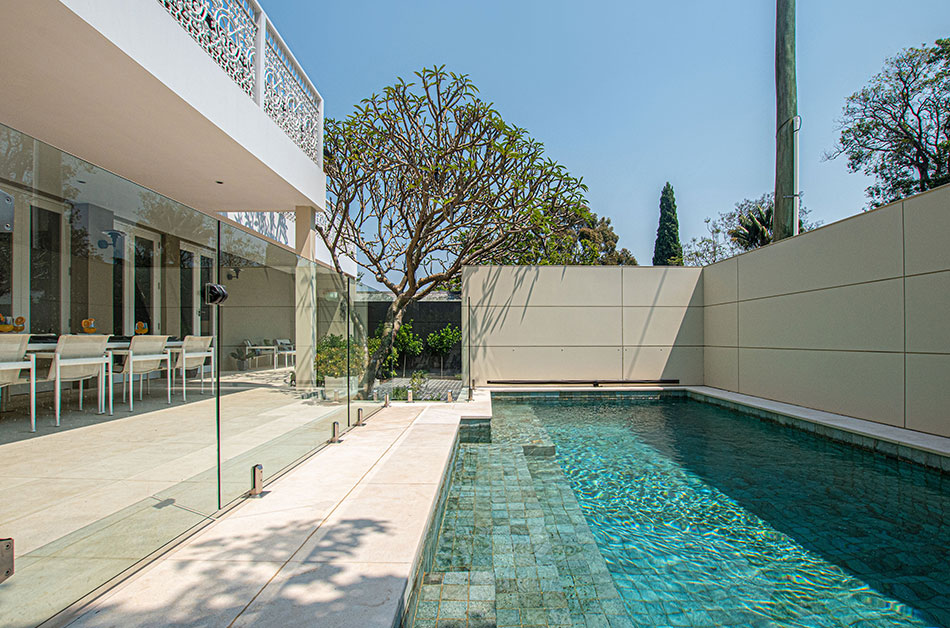
Your pool is a big investment. At best, many of us only get 50% of the year to use it. How to heat your pool to extend your swim season, will essentially come down to answering the following 3 questions:

  • How will I use my pool in the cooler months?
  • How much can I afford in running costs?
  • How much do I want to impact the environment?

When it comes to pool heating there are 3 main options for consideration.


Solar heating will prove the least expensive in running costs and will have the least impact on the environment. However, it will be impacted by the weather as it relies on radiant heat and is affected by the presence of cloud and wind.

Solar heating is popular due to its low running costs & it’s fairly low set up costs. Typically water is pumped to a Collector (generally stored on a roof) which is heated by the solar and then returned to the pool at a warmer temperature. Read more to see how a solar system is set up.

A heat pump will prove more expensive to run than solar, with a greater impact on greenhouse emissions but it does allow you to have a warm pool all year round regardless of the impending weather. While it does take a few days for the pump to heat the water to your desired temperature once reached it has an auto temperature control to maintain the warmth.

Using an inverted heat pump and connecting to off-peak electricity can both help to make the heat pump a relatively low cost option for pool heating. Higher efficiency will be achieved in more temperate locations because of the way in which they work. Find out how a heat pump works

Gas heating is another pool heating option and has its place particularly when you need your pool heated quickly for only a short period of time i.e. for an event or get together. Gas heating offers the advantage of heating a pool up to 14 degrees Celsius higher in just 24 hours. So if you don’t need to heat your pool for longer periods of time but only specific times or days then gas heating may prove the smarter choice for you. You can find more information on gas heating here.

Pool Covers will help make any pool heating option more efficient. In fact AES illustrates the savings you can make by covering your pool here.  Note that this data is slightly old now and based on data for South East Queensland but it does clearly demonstrate the importance of using a pool cover to save energy and money. In fact it is now mandatory that a pool cover be used if you use a heat pump or gas heating (source: http://sunbather.com.au/downunder/)

SPASA has a very useful guide about Pool Efficiency where you can read more to help make decisions about heating your pool based on your needs and budget.

Why Seal Your Floors?

In this blog post we discuss why it is so important to seal your floors.

Melissa has been in the tiling industry for 9 years, running her own business, specialising in bathroom tiling. Melissa has recently joined our team.

Is Under Tile Heating for You?

In this week’s blog we ask the experts, Comfort Heat Australia, to explain the facts about under tile heating.

Warming your home throughout the cooler months of the year is fuss free with under floor heating.

Warming your home throughout the cooler months of the year is fuss free with under floor heating. No messy firewood, no smoky rooms and no cool spots. Under tile floor heating offers a subtle heat that gently and consistently warms the entire space and from all accounts, it won’t break the bank. We talk to Sandra Skelly, General Manager of Comfort Heat Australia to discover all there is to know about under tile heating.